
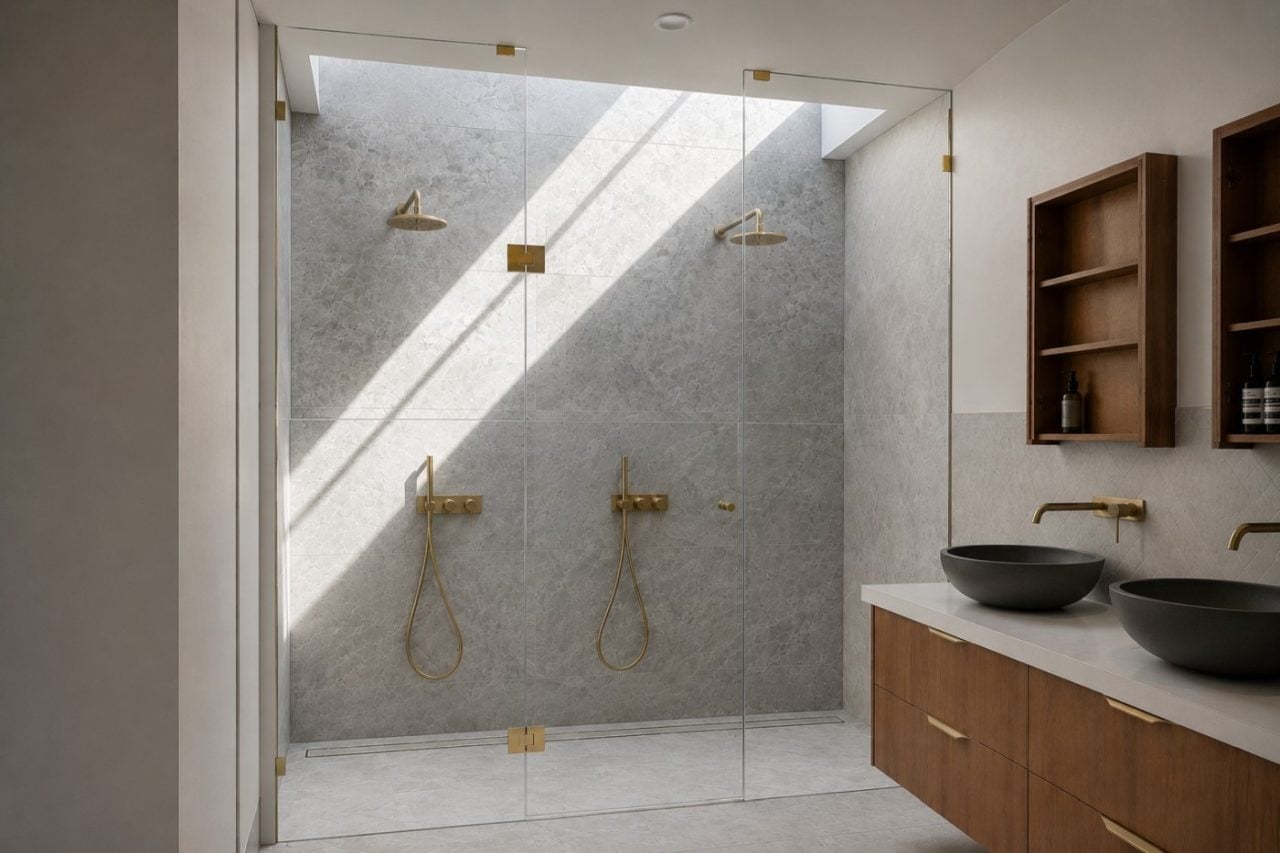
Low-Iron Glass
Shower Screens
Premium frameless shower screens made with clearer low-iron glass for a brighter, cleaner and more colour-true bathroom finish.
What is low-iron glass?
Low-iron glass is a clearer version of standard clear glass. It has less of the natural green tint that is usually visible through the edge of shower screen glass.
This makes it a popular upgrade for bathrooms with white tiles, light stone, soft neutral finishes and premium hardware where you want the glass to look as clean and colour-true as possible.
For many Melbourne bathroom renovations, low-iron glass is chosen when the shower screen needs to feel almost invisible while still giving the strength and clean look of a custom frameless shower screen.

Standard clear glass vs low-iron glass
Standard clear glass and low-iron glass can both be used for custom frameless shower screens. The difference is most noticeable around the glass edge and against lighter bathroom finishes.

Standard clear glass
Standard clear glass has a natural green tint, especially visible through the exposed edge of thicker shower screen glass.
- Suitable for most bathroom renovations
- More cost-effective than low-iron glass
- Green edge tint can show against white tiles

Low-iron glass
Low-iron glass, often called Starphire glass, ultra-clear glass or crystal-clear glass, removes much of the green tone for a cleaner and more transparent appearance.
- Clearer edge appearance
- Better colour accuracy around light tiles and stone
- Premium option for cleaner bathroom designs
Bathrooms where glass clarity matters
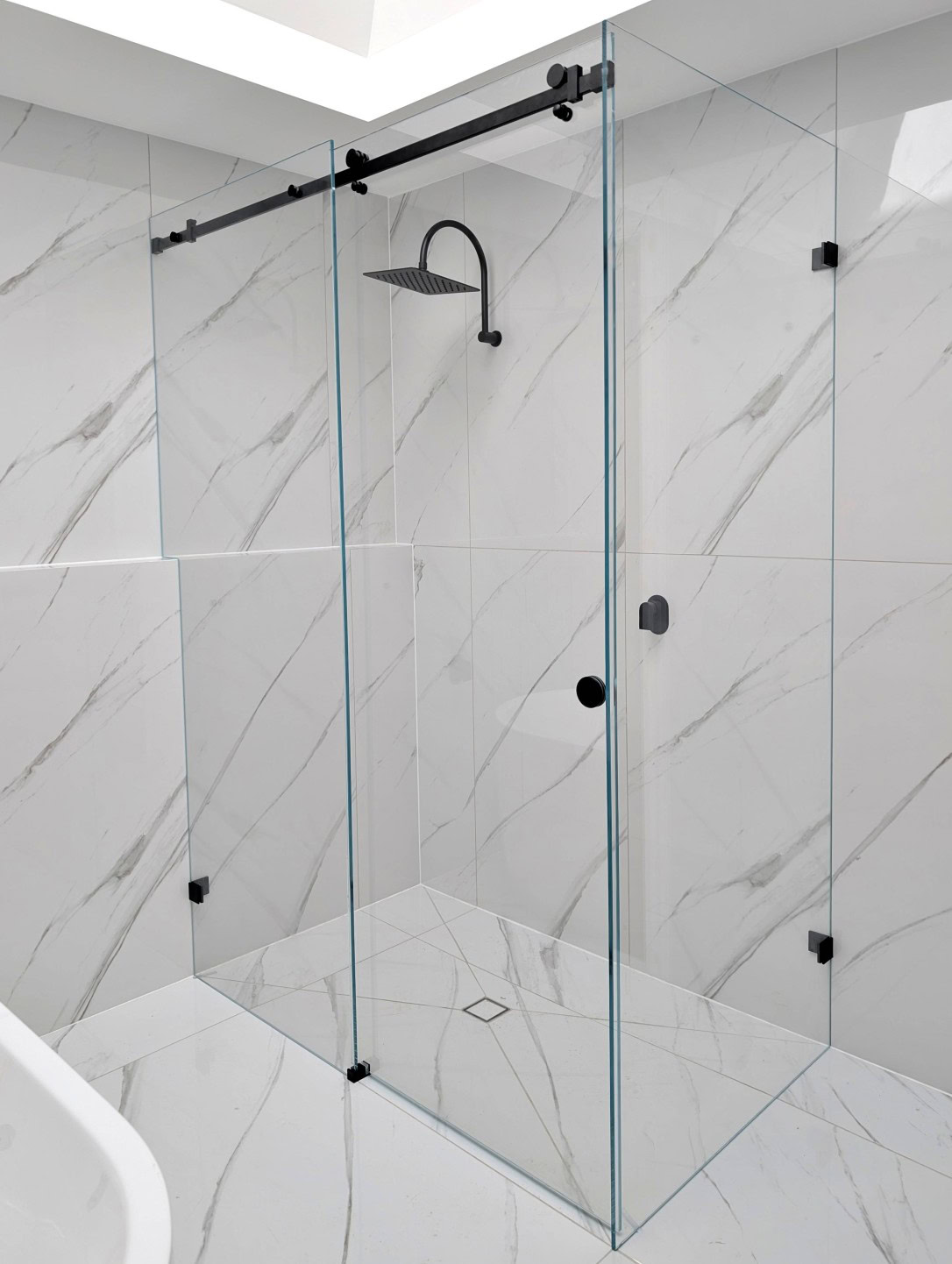
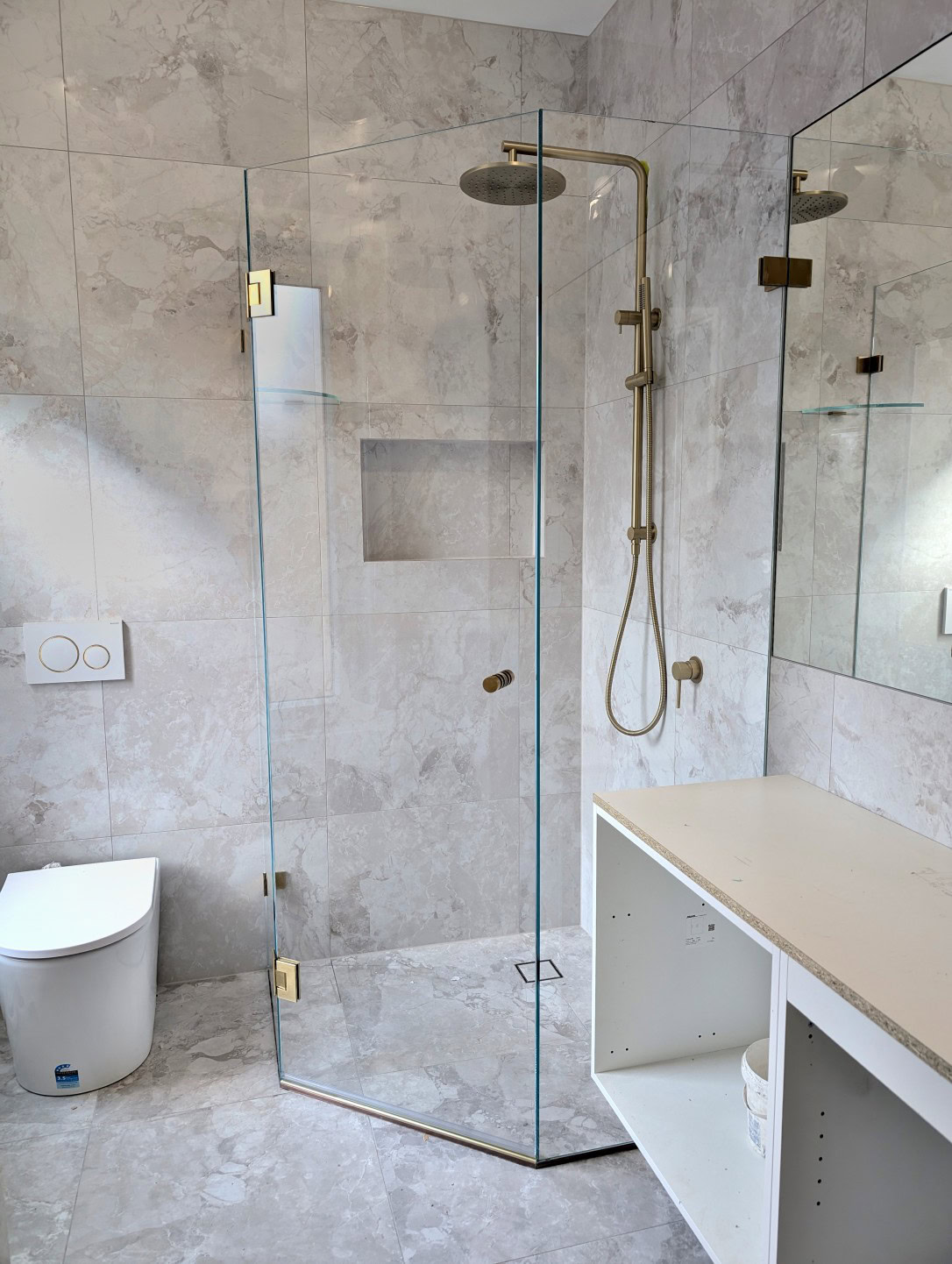
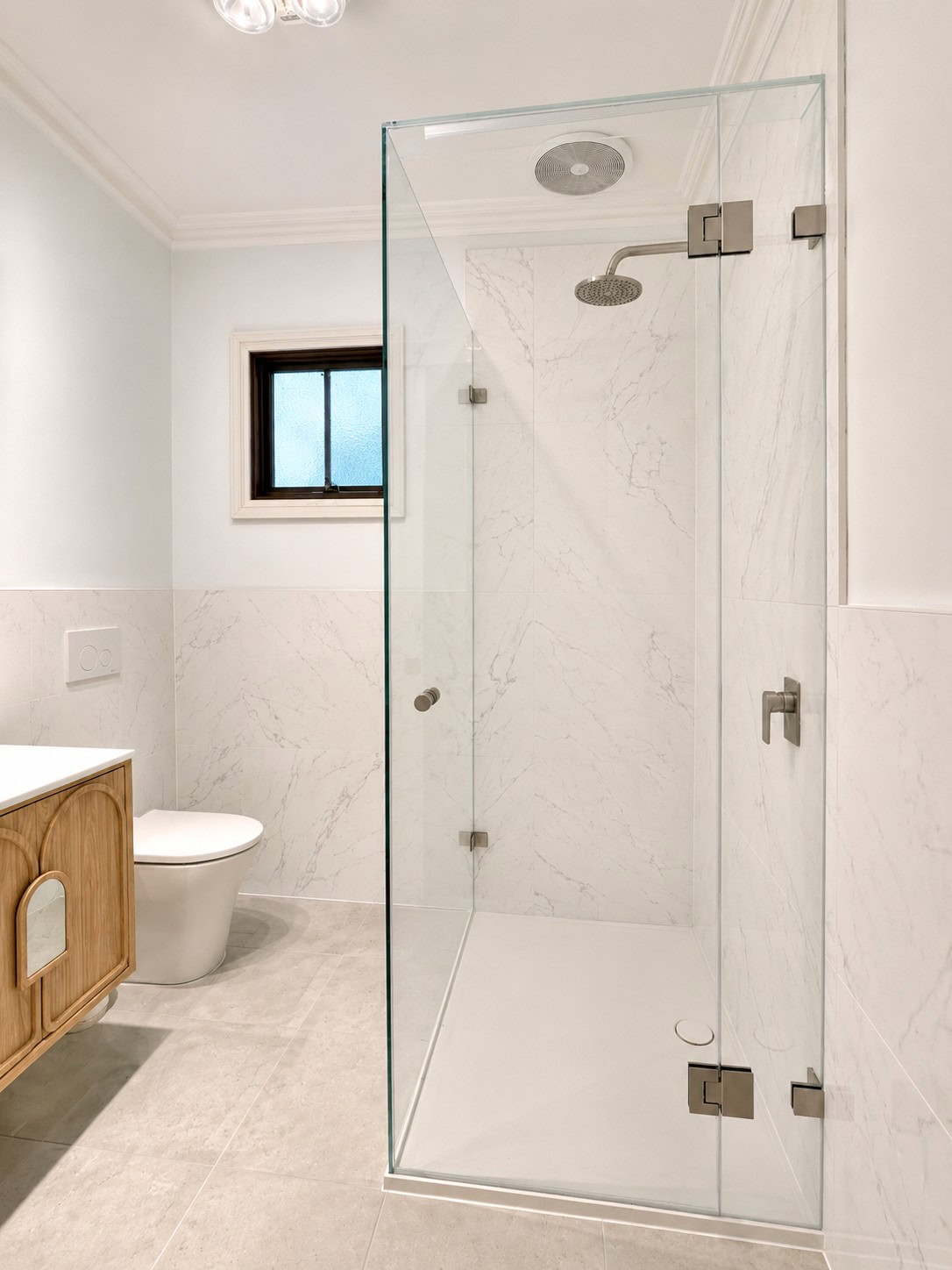
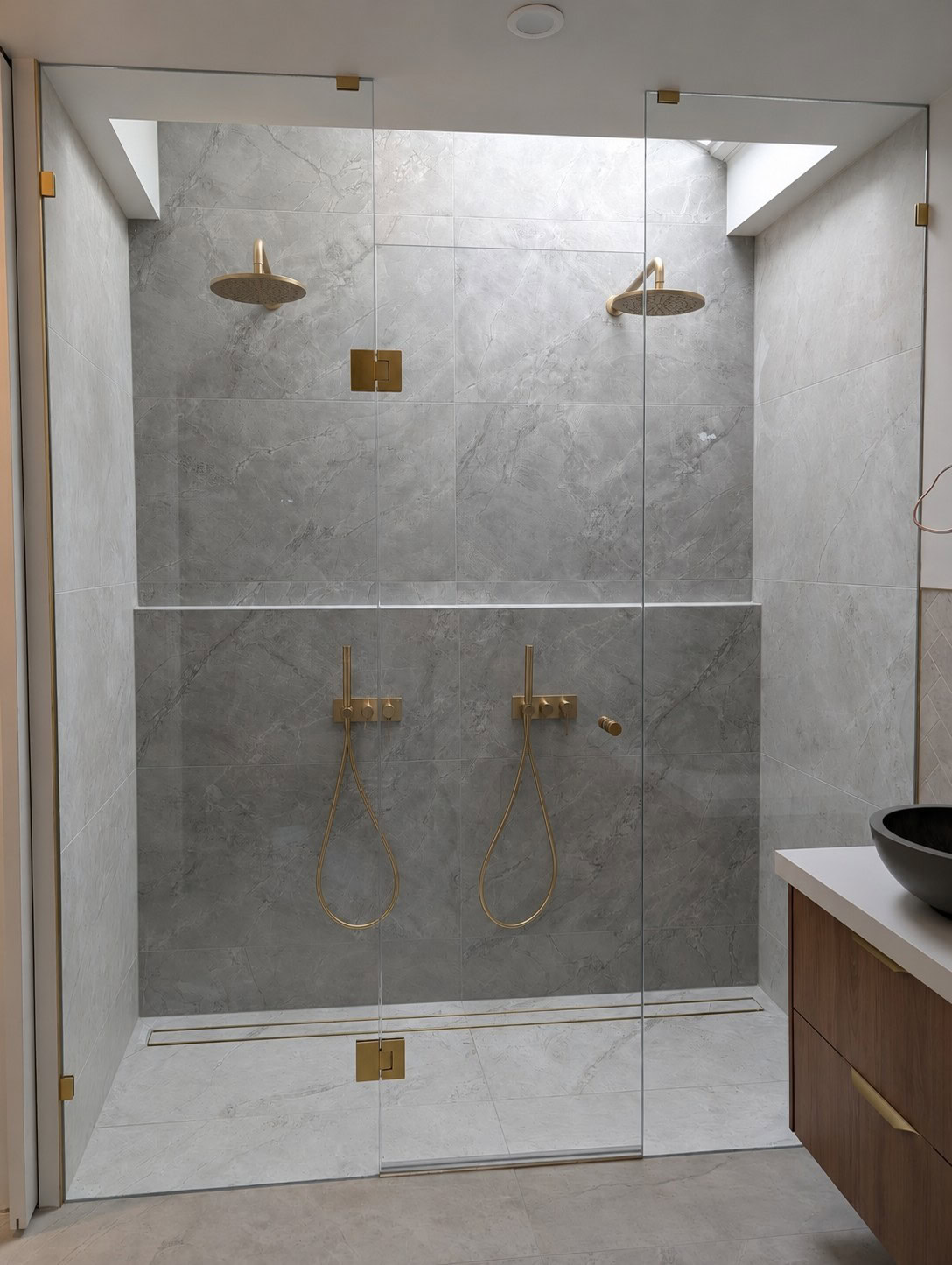
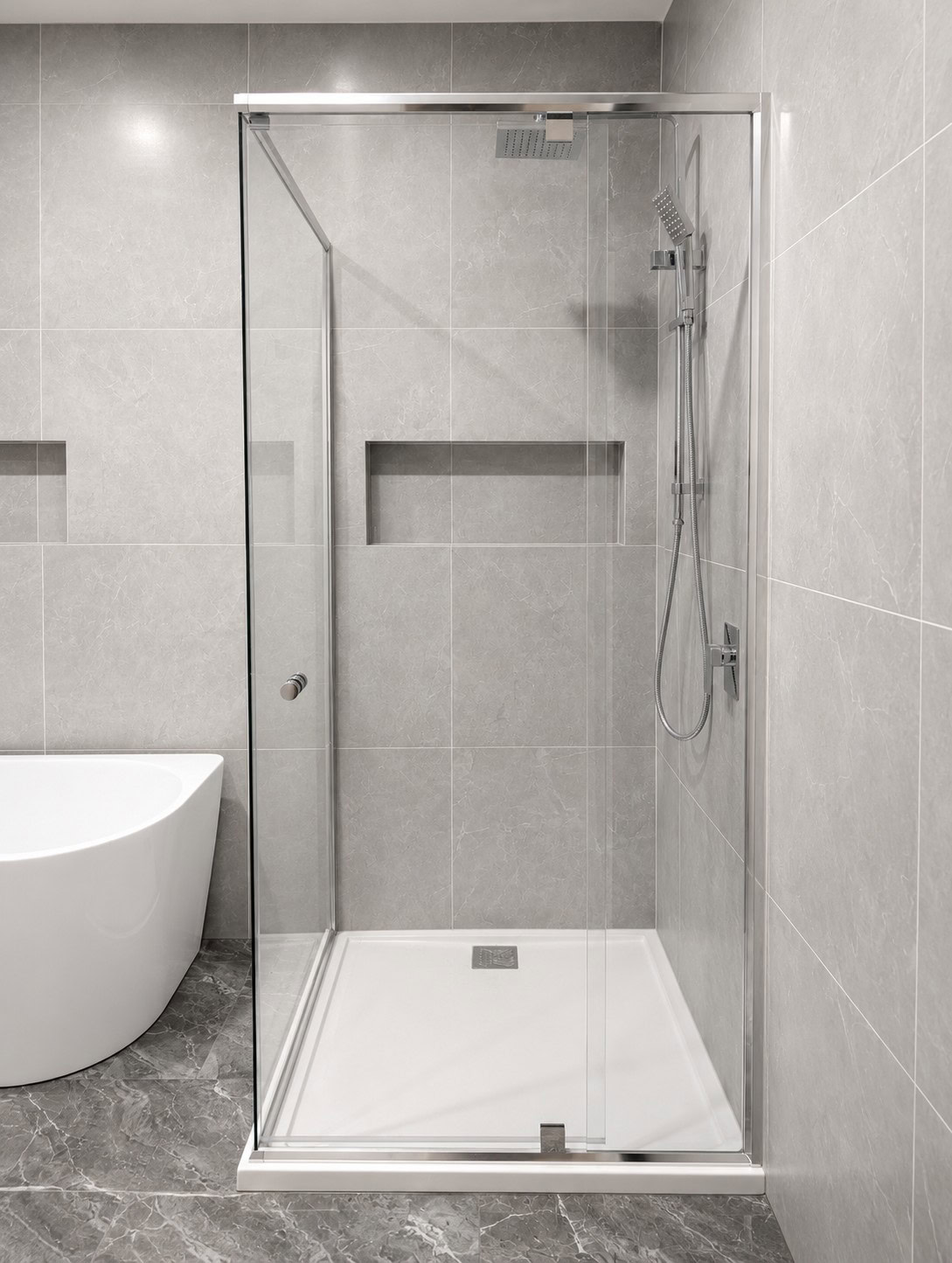
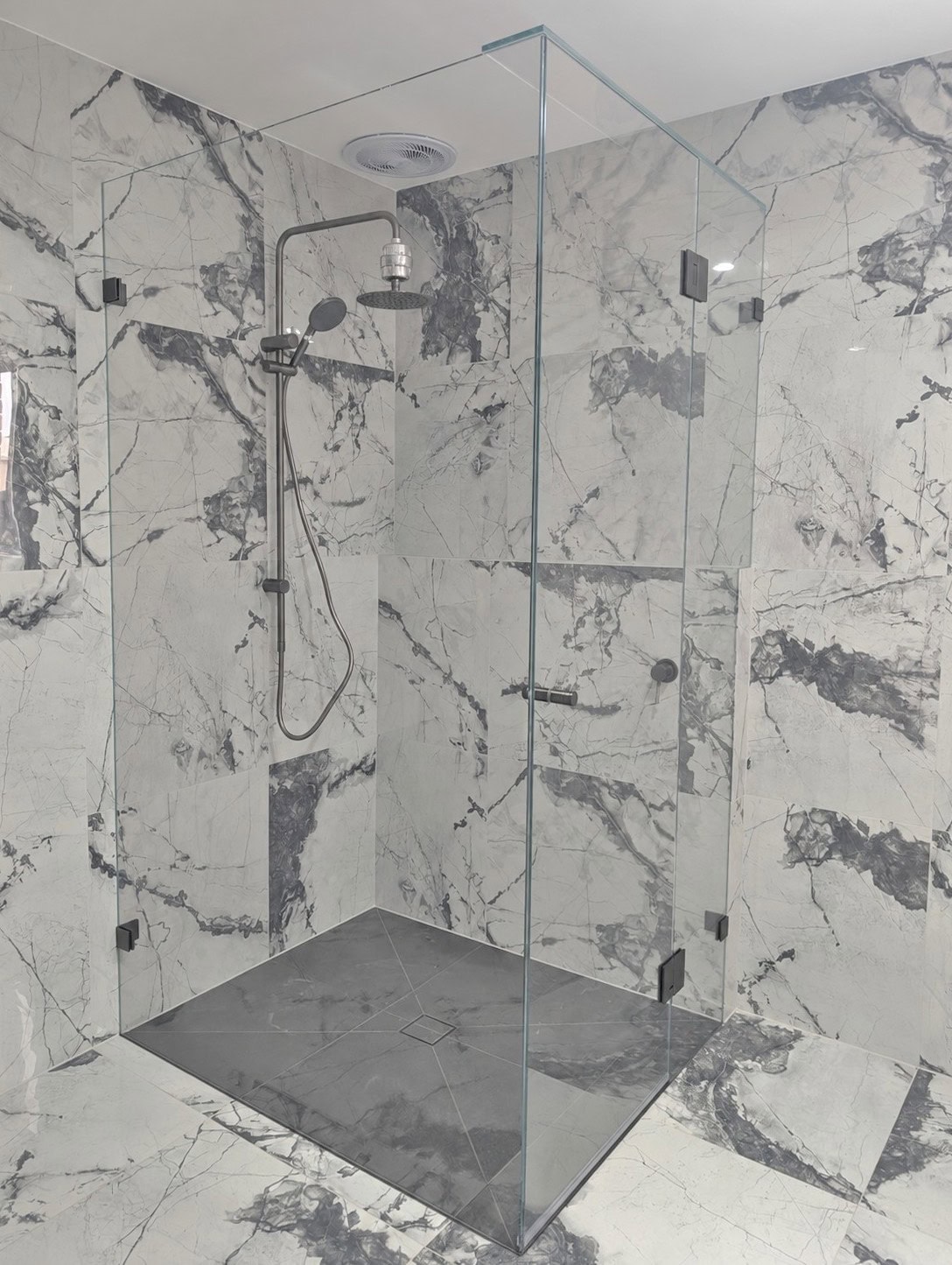
In bathrooms with marble-look tiles, low-iron glass keeps the shower screen visually lighter so the tile detail remains the focus. This project was completed near Bacchus Marsh.
Low-iron glass is most noticeable in bathrooms where the shower screen sits against light colours, white tiles, stone-look porcelain or clean neutral finishes.
Standard clear glass can still look great, but the natural green edge becomes easier to see when the rest of the bathroom is bright and minimal. Low-iron glass helps the shower screen feel lighter and less visually heavy.
White and light tiled bathrooms
Helps reduce the green tone that can stand out against white wall tiles, pale grout lines and marble-look porcelain.
Premium hardware finishes
Works well with brushed brass, brushed nickel, chrome, gunmetal and matt black fittings where colour accuracy matters.
Minimal frameless designs
A good choice for walk-in panels, hinged shower screens, full-height glass and bathrooms where you want a clean, open feel.
Low-iron glass works across all frameless shower screen layouts
Low-iron glass is simply a clearer glass option, so it can be used across many custom shower screen configurations. The best layout depends on your bathroom size, tile layout, door swing space and how open you want the shower area to feel. Low-iron glass can also be used for corner-entry shower screens and 135-degree shower screens where the layout suits the bathroom.
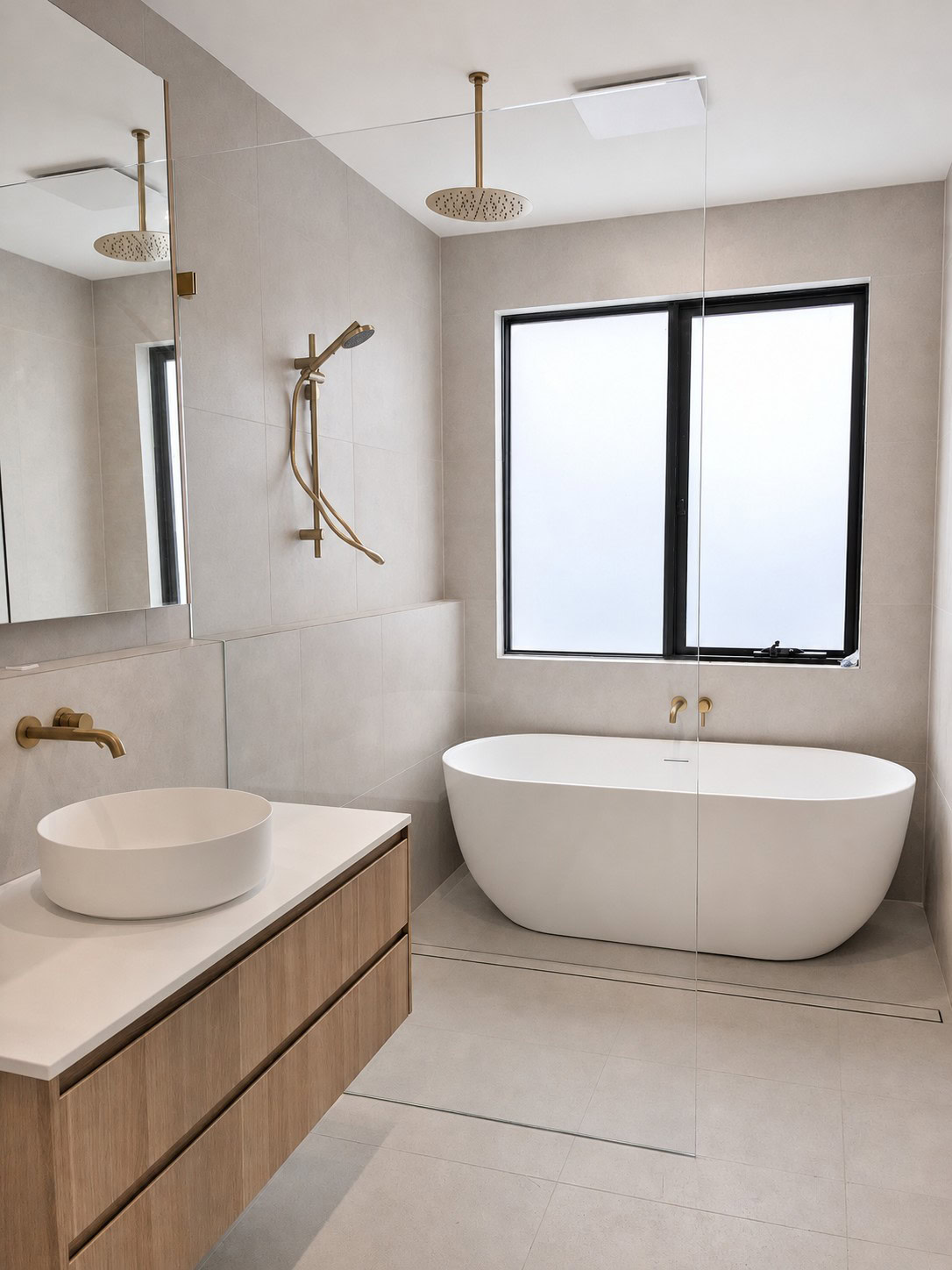
Walk-in shower panels
A clean option for open bathrooms where you want the glass to stay visually light and keep the tile finish exposed.

Hinged shower screens
Suitable for ensuites and main bathrooms where a frameless glass door gives better access without boxing in the space.

Sliding shower screens
A practical choice where door swing space is limited, while still keeping the bathroom clean, clear and modern.

Full-height shower screens
Low-iron glass works especially well in taller panels where the edge clarity and reduced green tint become more noticeable.
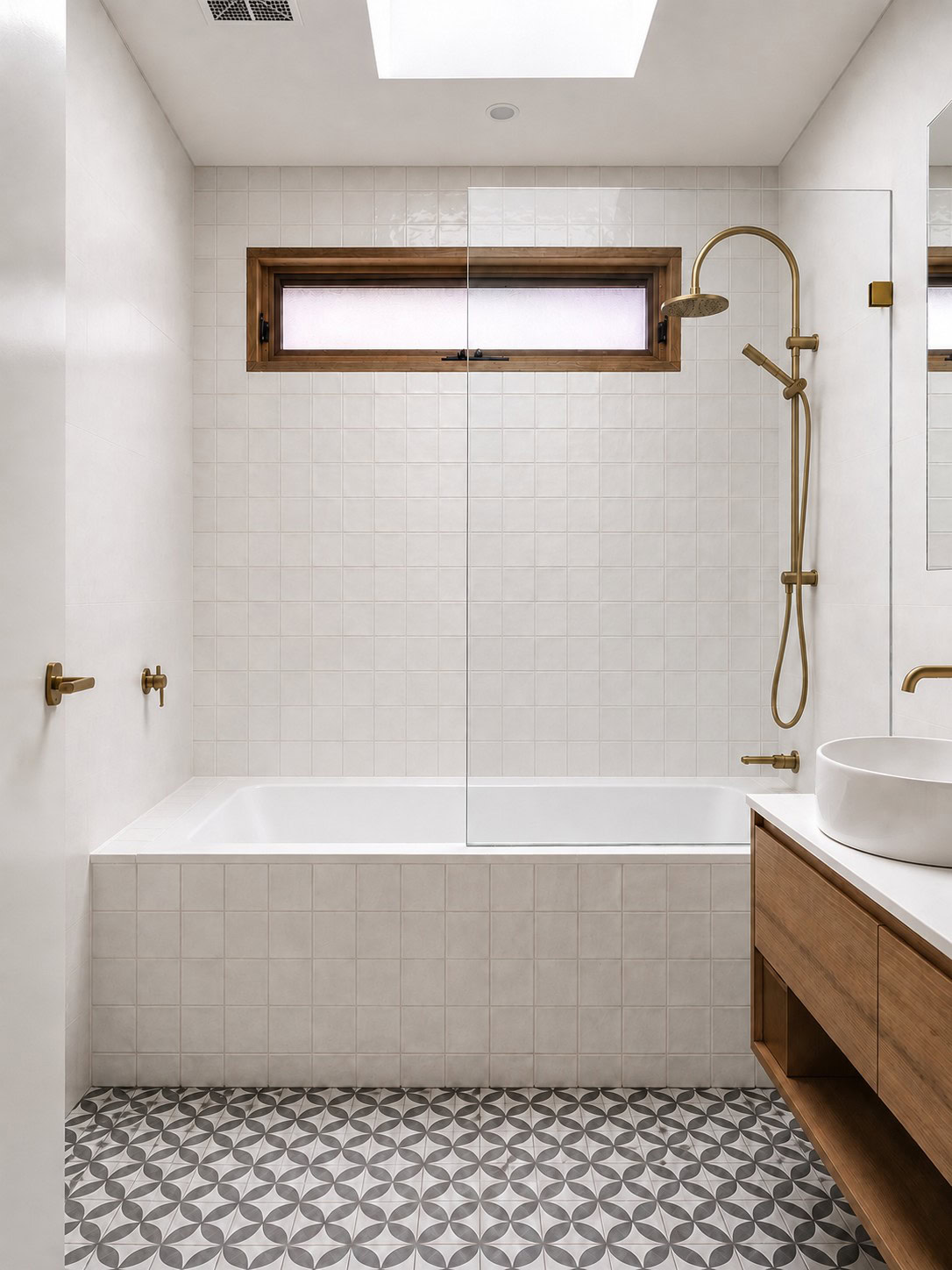
Over-bath panels
A clear, minimal option for bath-shower combinations where you want the room to stay open and uncluttered.

Radius and curved panels
Useful where the glass edge needs to feel softer or work around a more custom bathroom layout.
Pair low-iron glass with the right hardware finish
Because low-iron glass has less green tint, the surrounding hardware colour becomes more accurate and intentional. It works especially well with clean chrome, warm brass, brushed nickel, gunmetal and darker matt black fittings.

Clean and reflective
Chrome hardware keeps the look bright and simple, especially in bathrooms with white tiles, polished tapware and a cleaner modern finish.
Warm and premium
Brushed brass pairs well with low-iron glass because the clearer glass does not add a green cast beside the warmer metal finish.

Soft and neutral
Brushed nickel is a good choice when you want a softer metal finish that blends with stone-look tiles, grey tones and neutral bathrooms.
Darker but softer than black
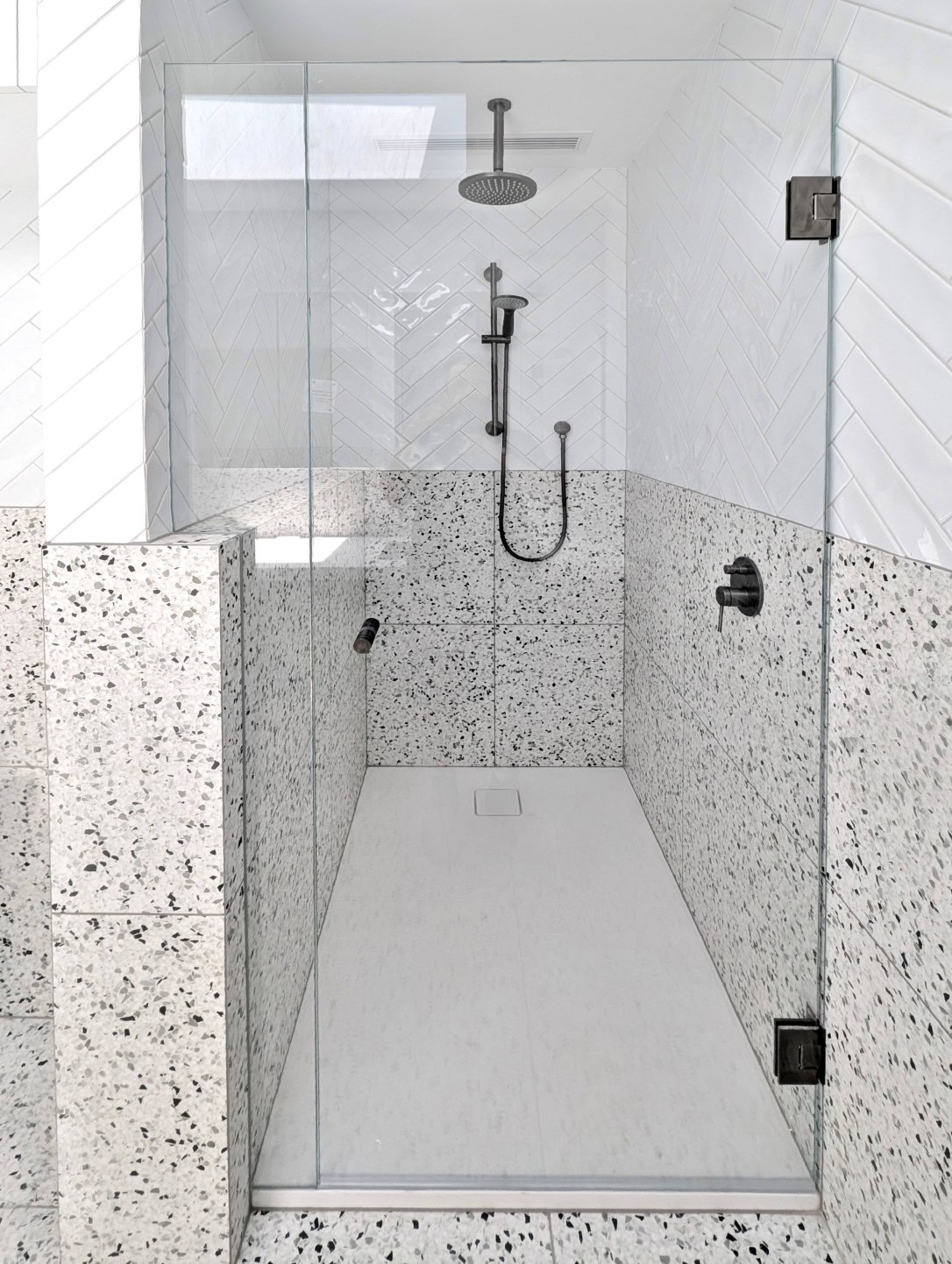
Gunmetal gives the screen a darker architectural edge while feeling slightly softer and less stark than matt black hardware.

Strong contrast
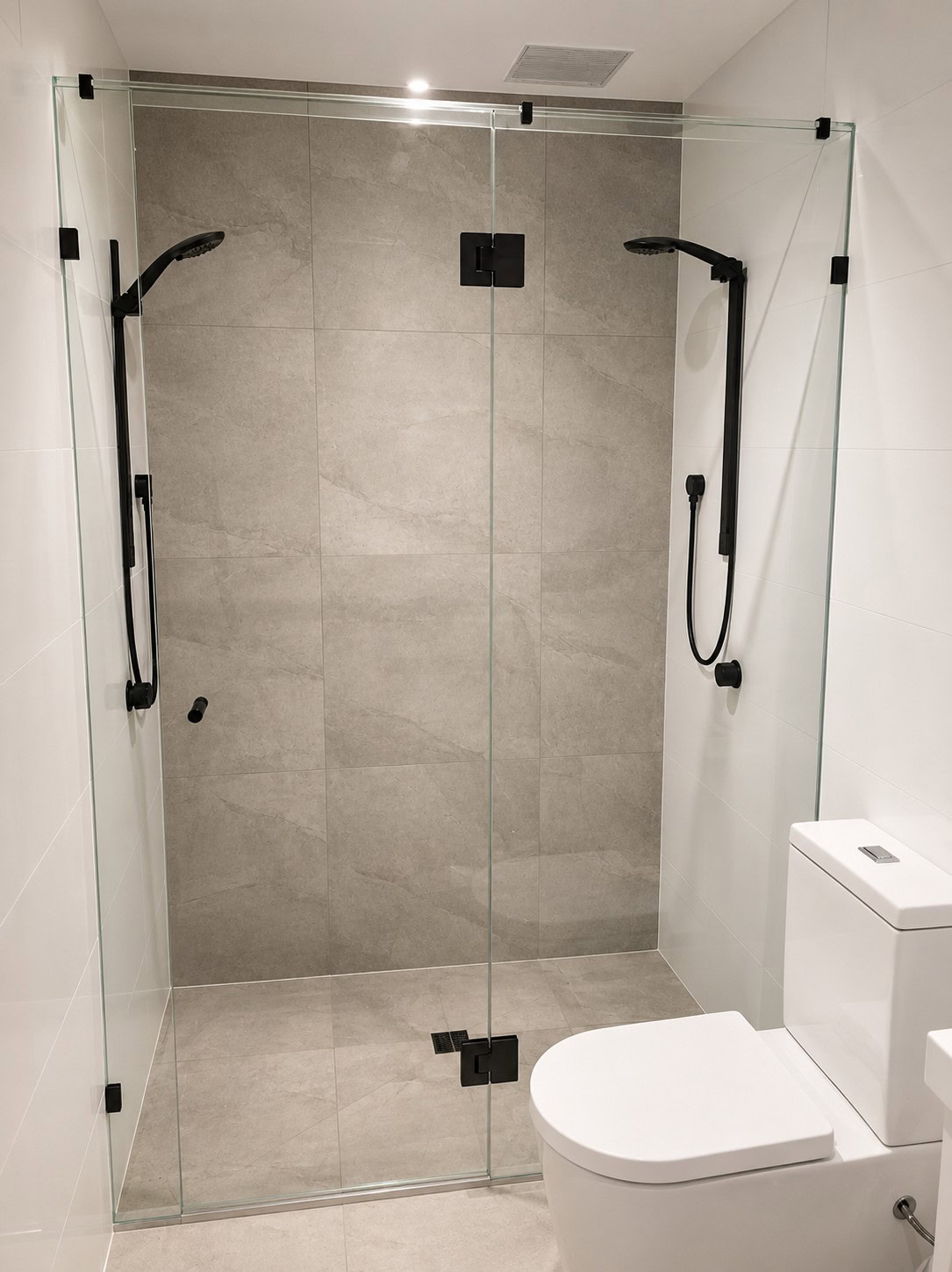
Matt black creates a sharper outline around the glass, while low-iron glass keeps the panel itself clear and visually lighter.
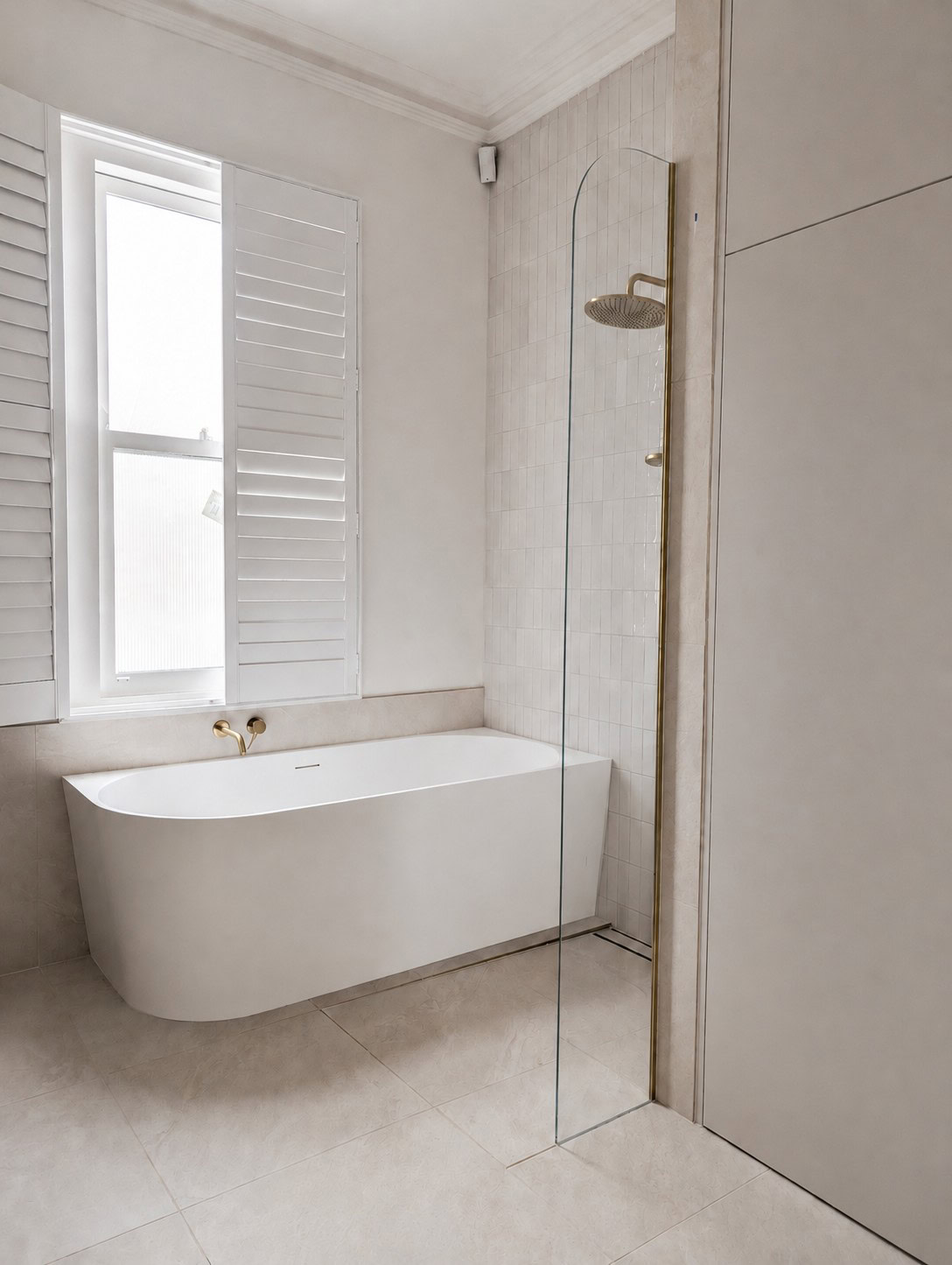
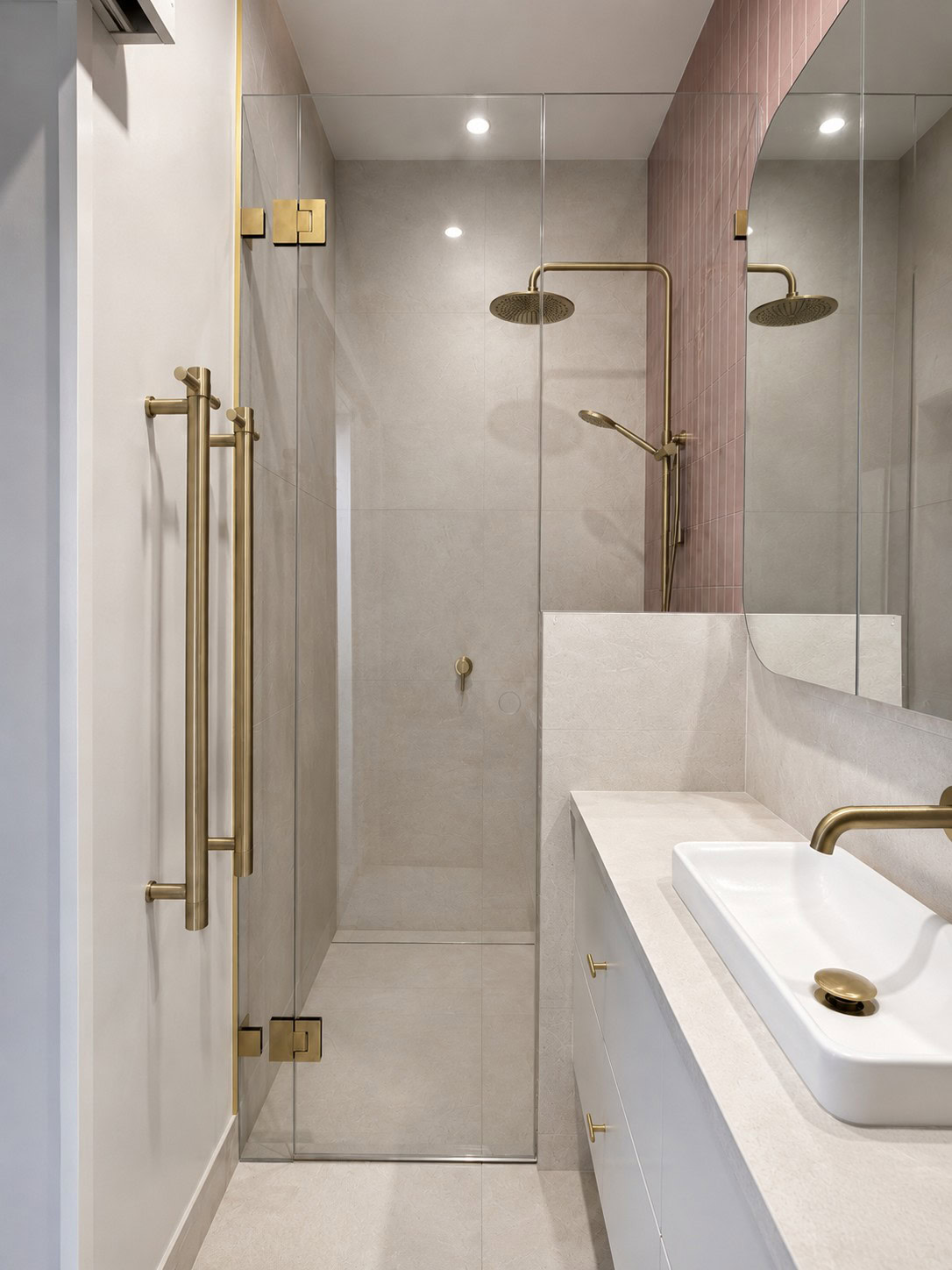
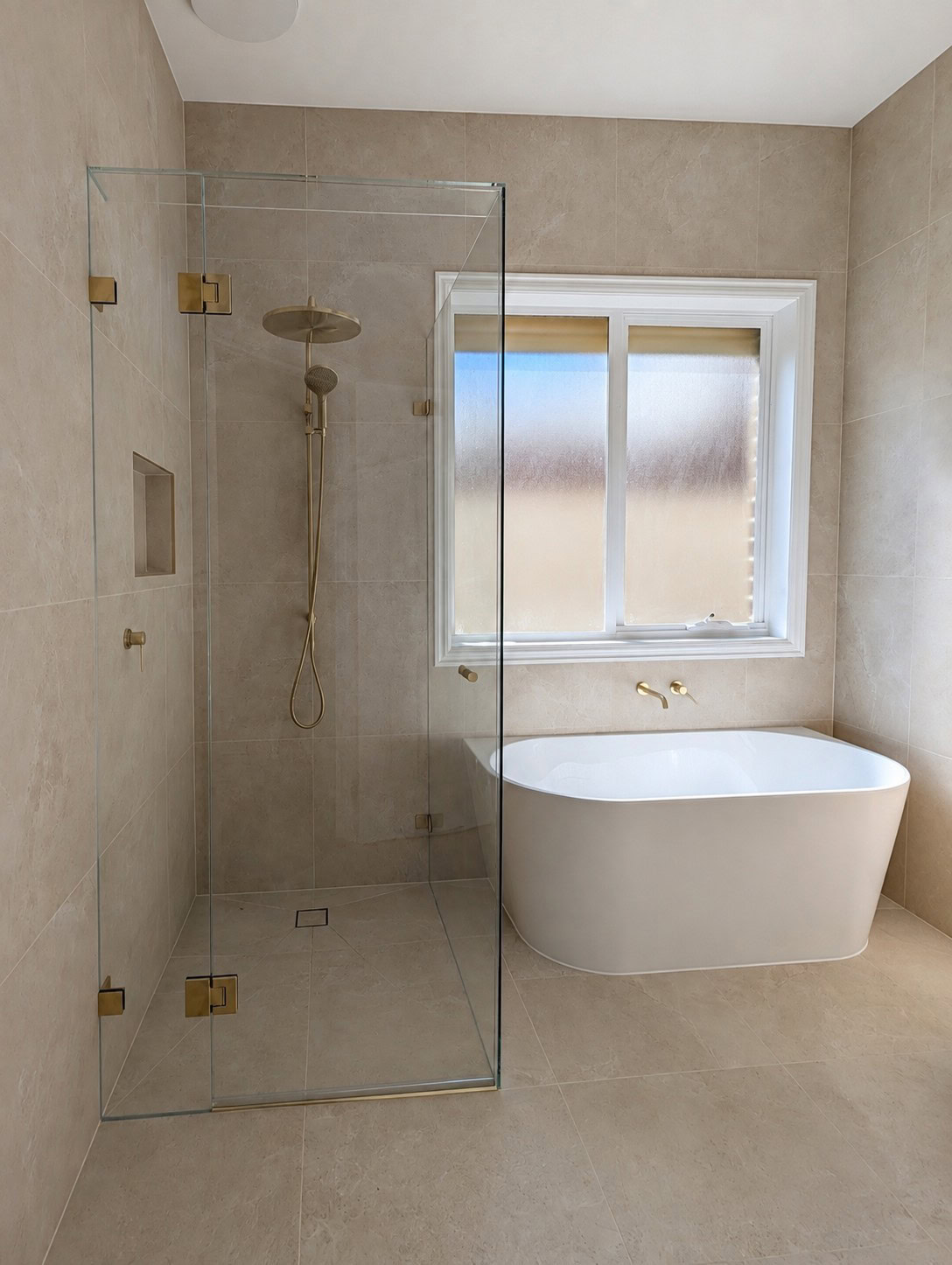
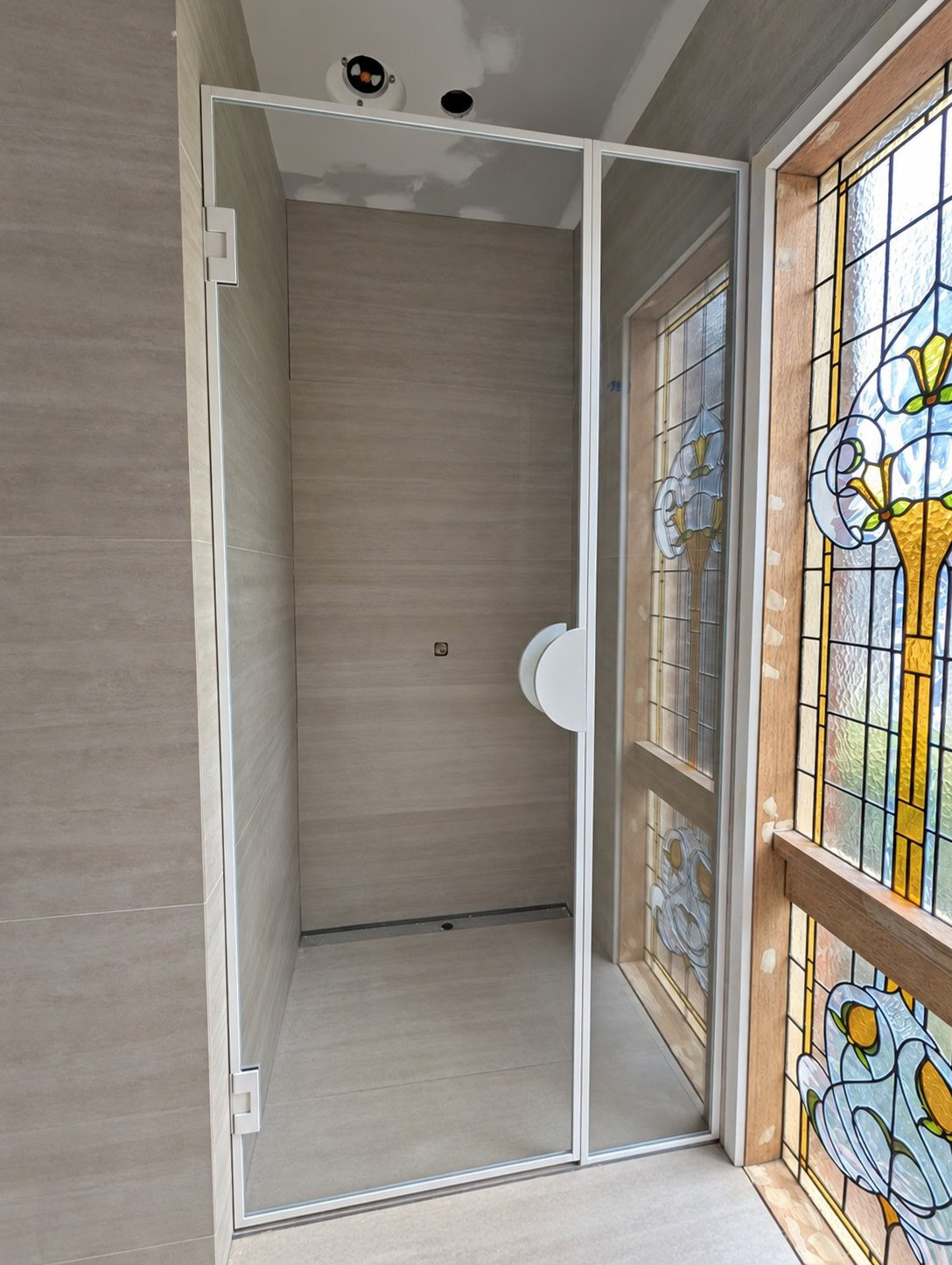
Low Iron Glass Shower Screens Across Melbourne
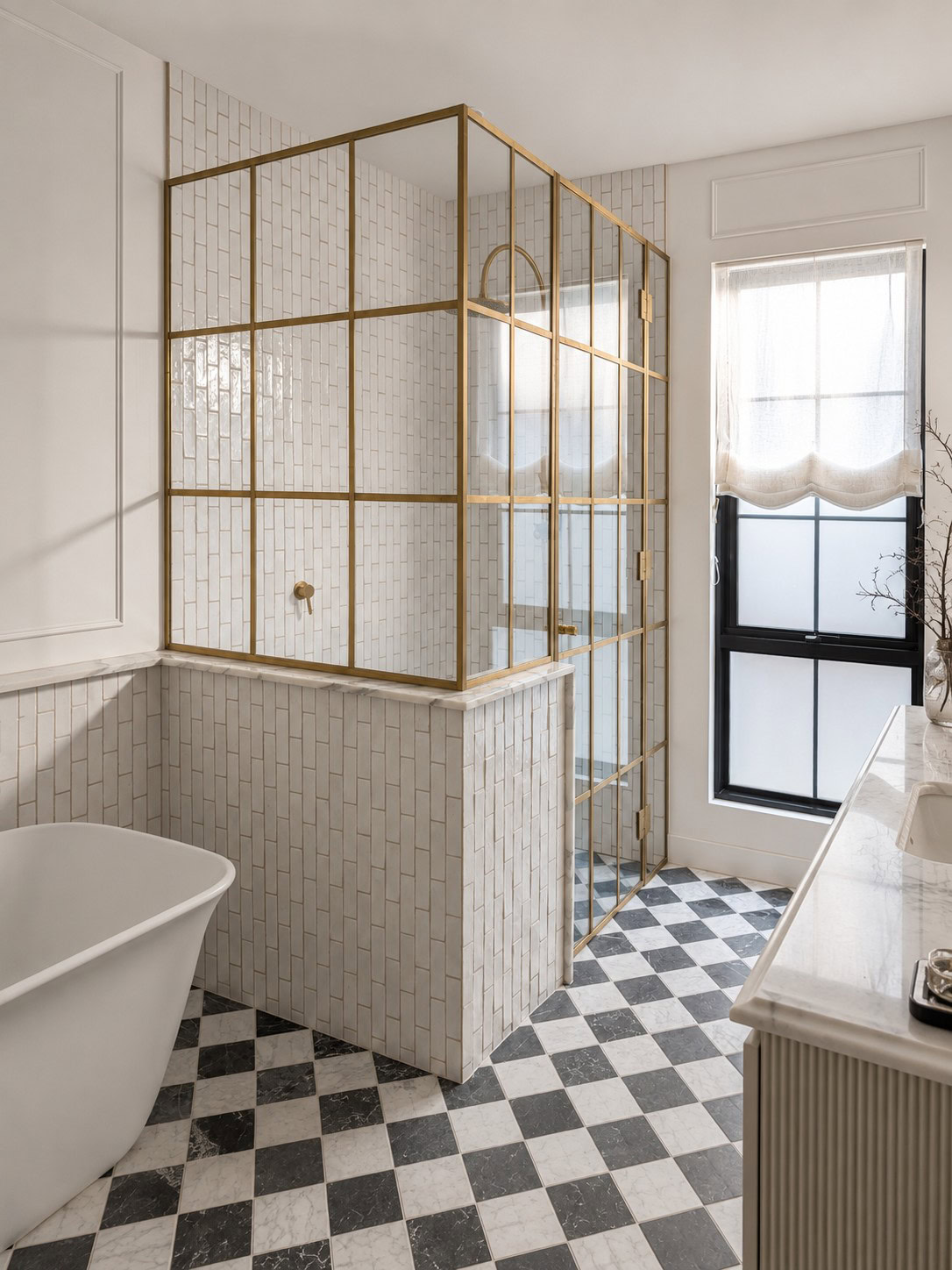
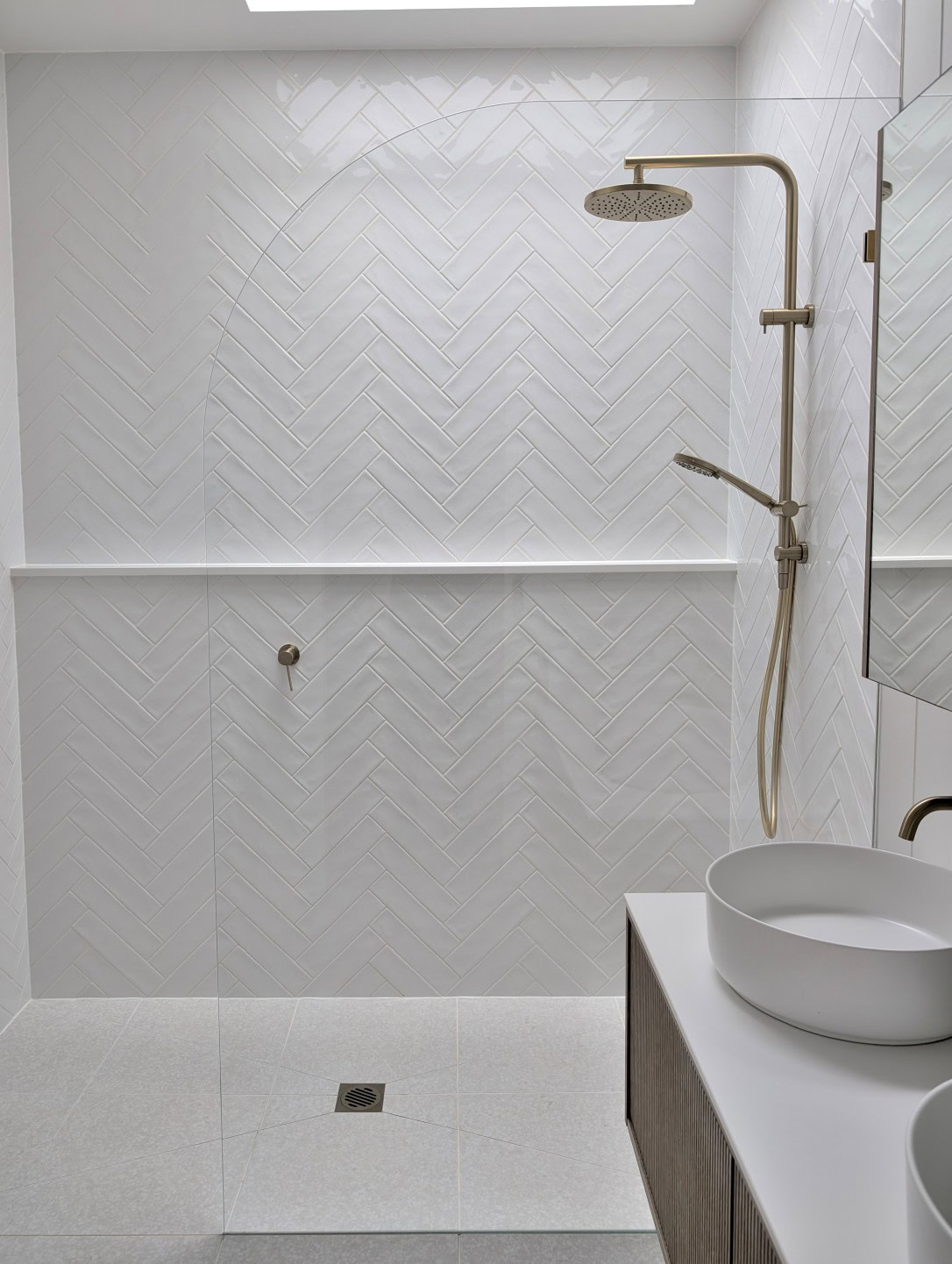
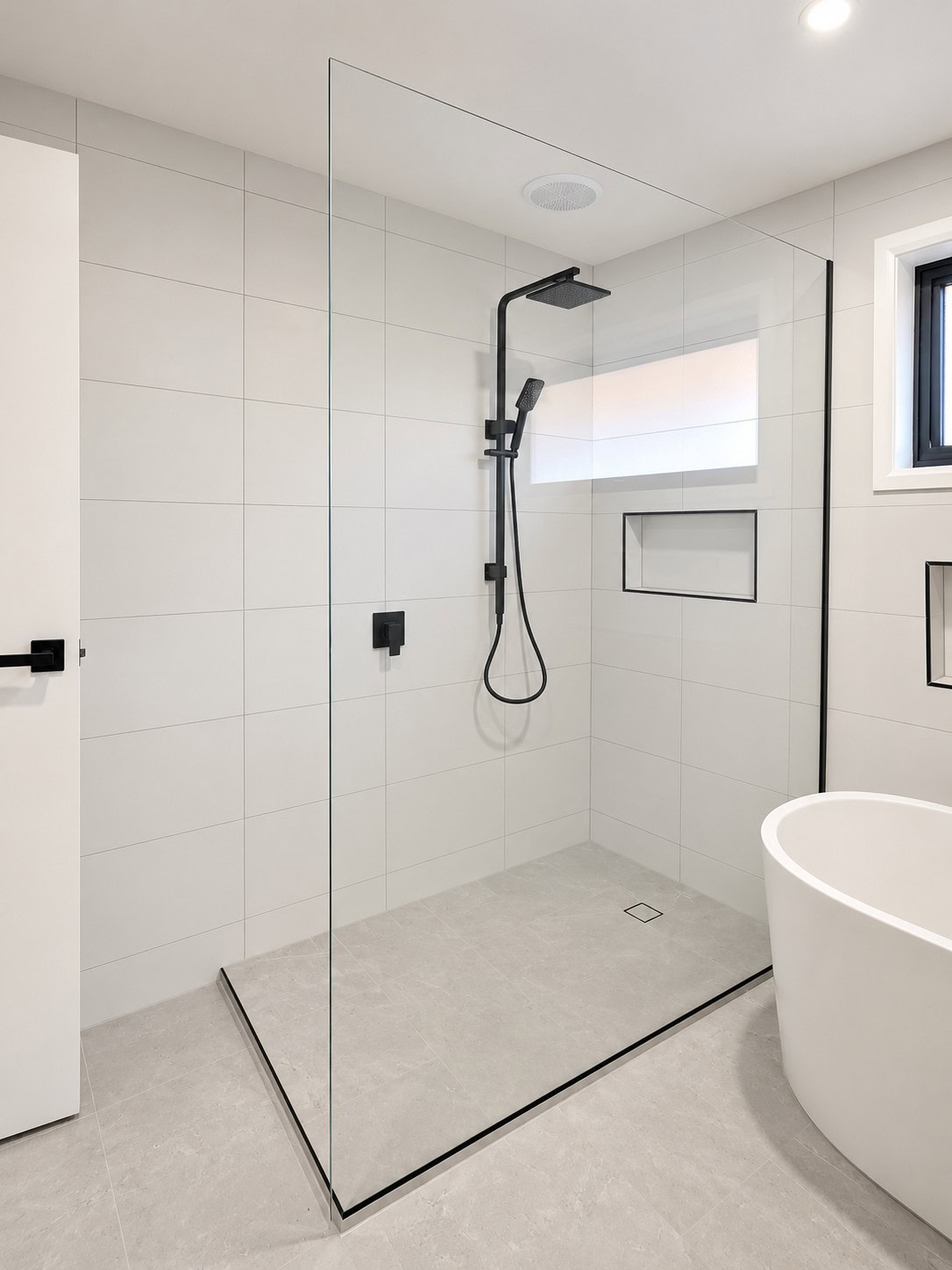
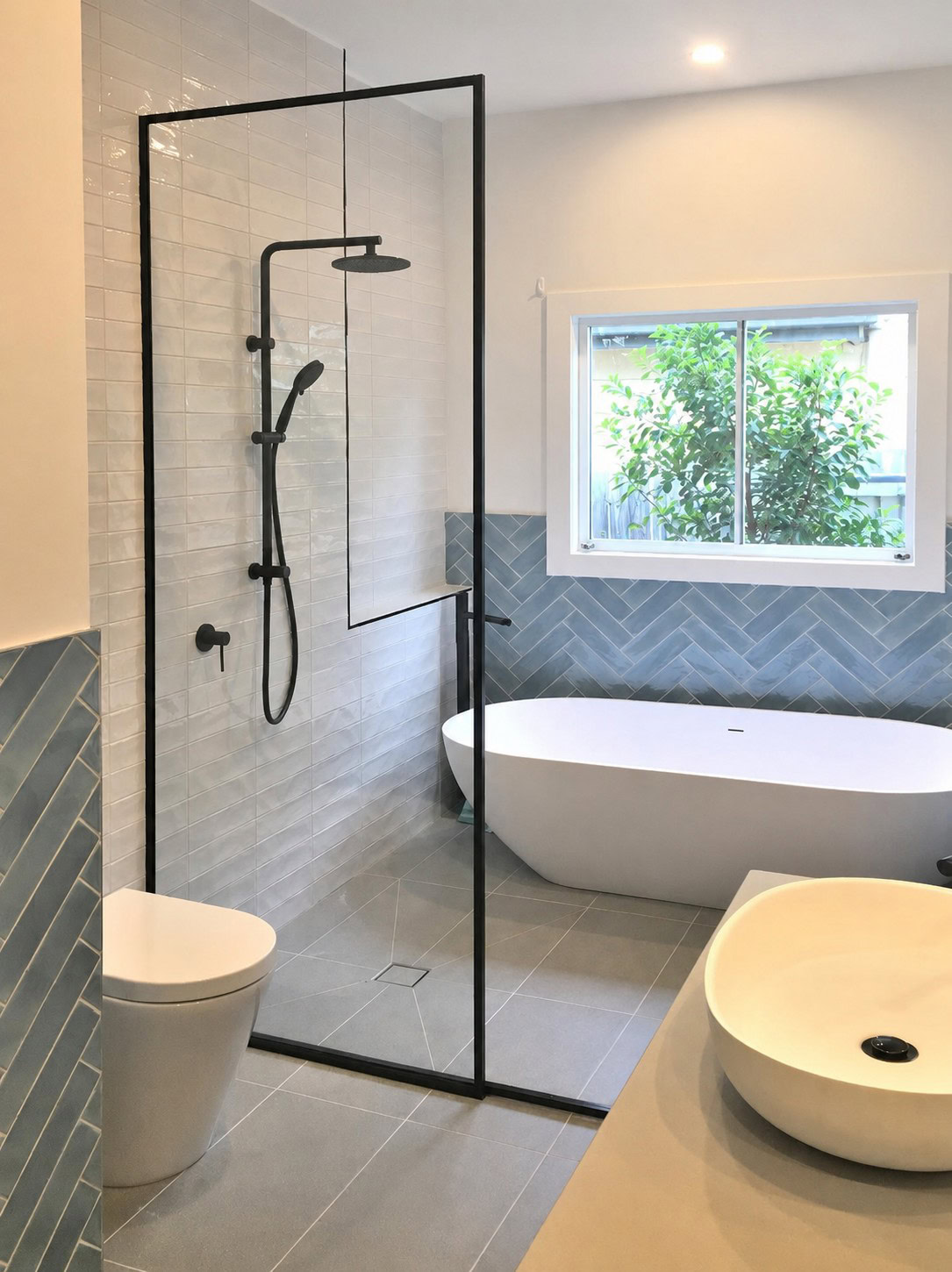
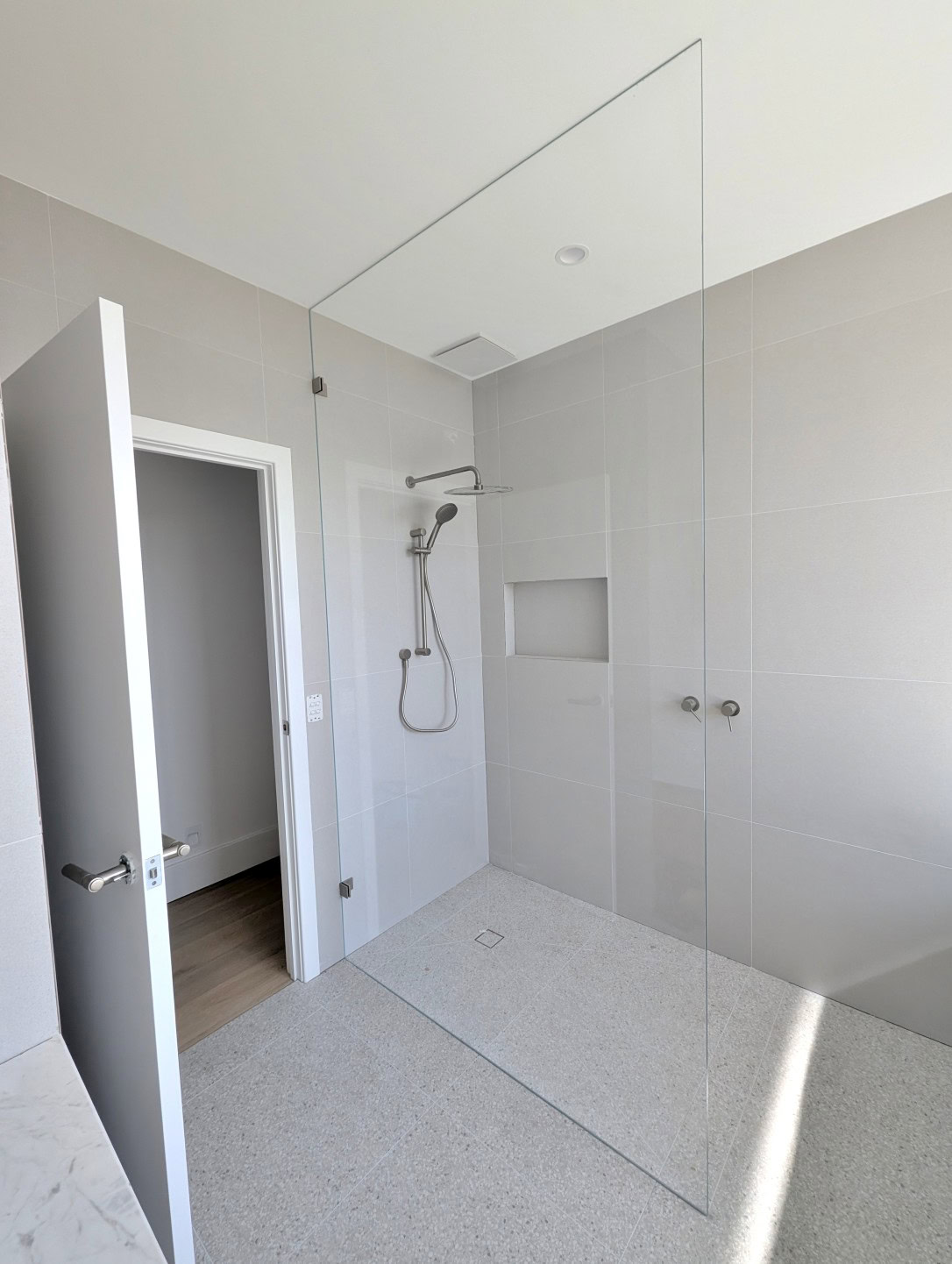
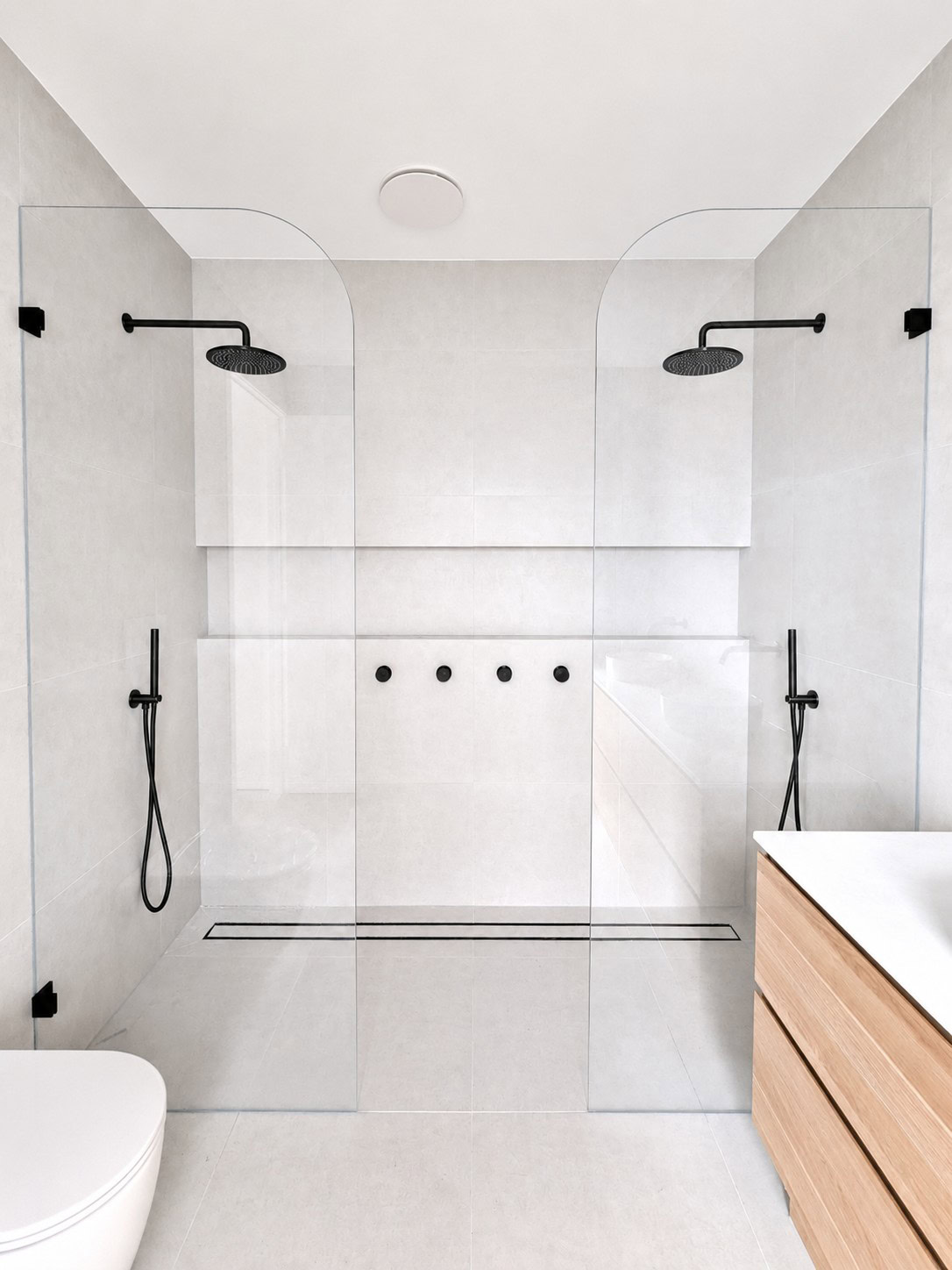
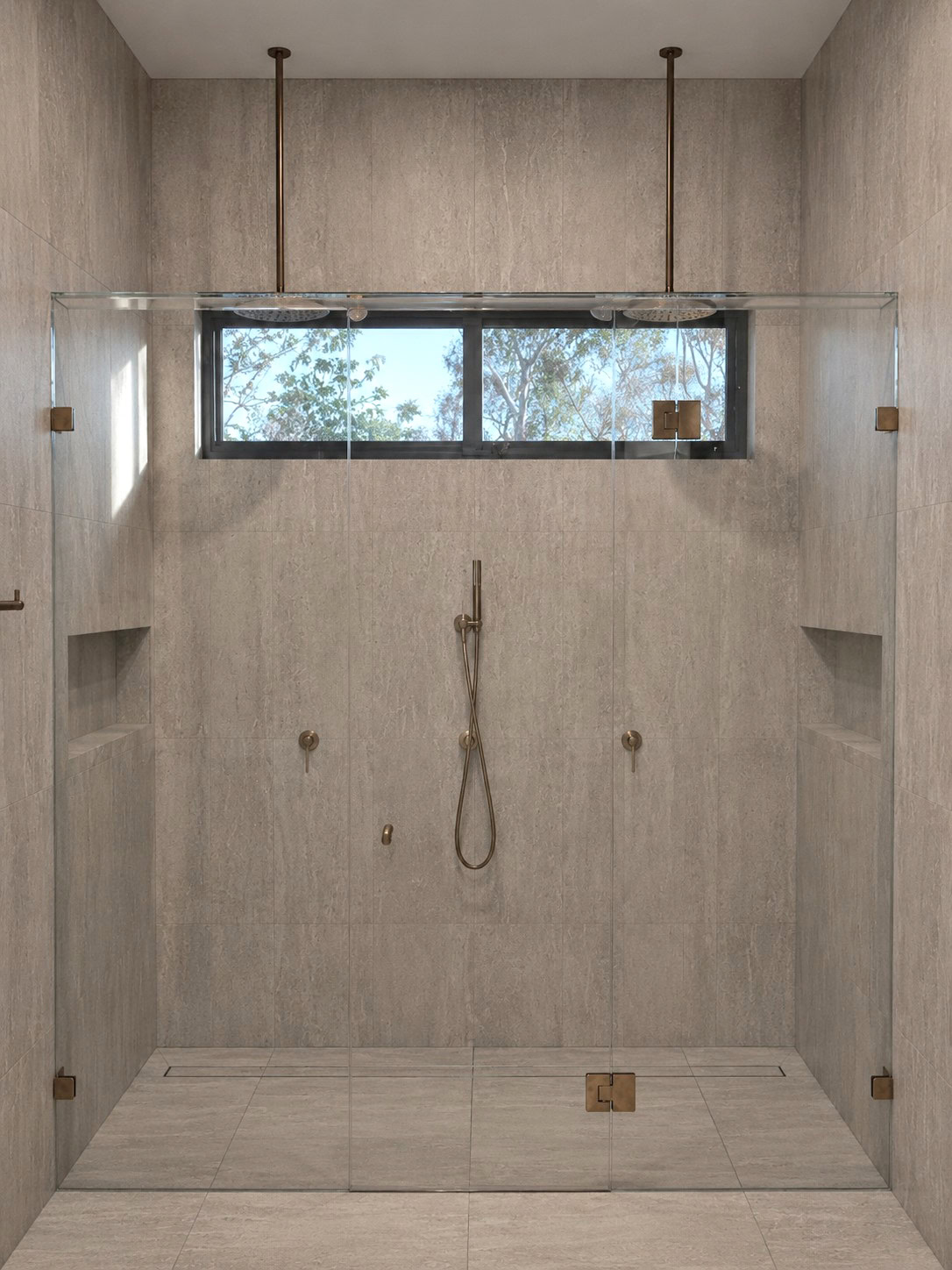
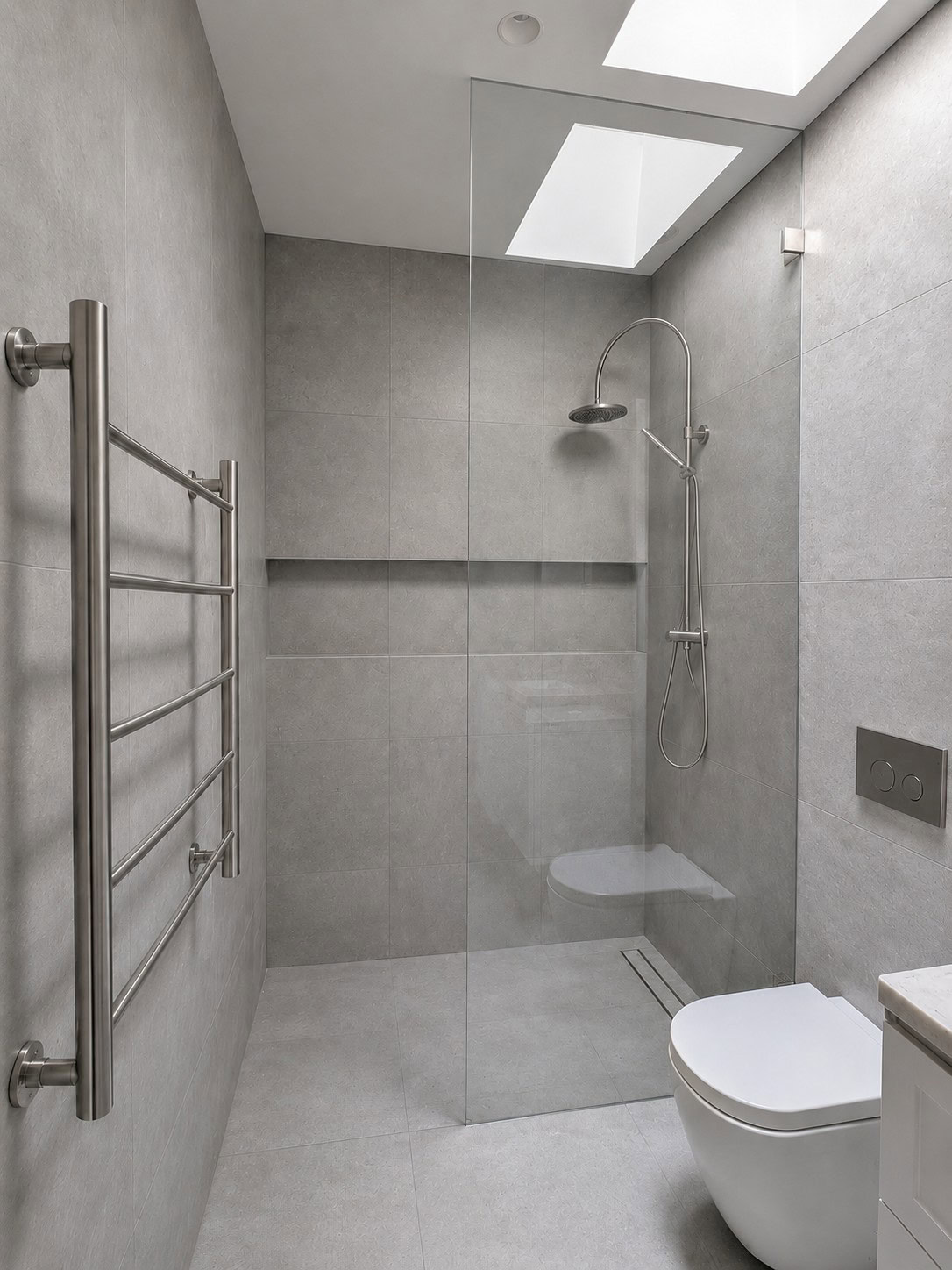
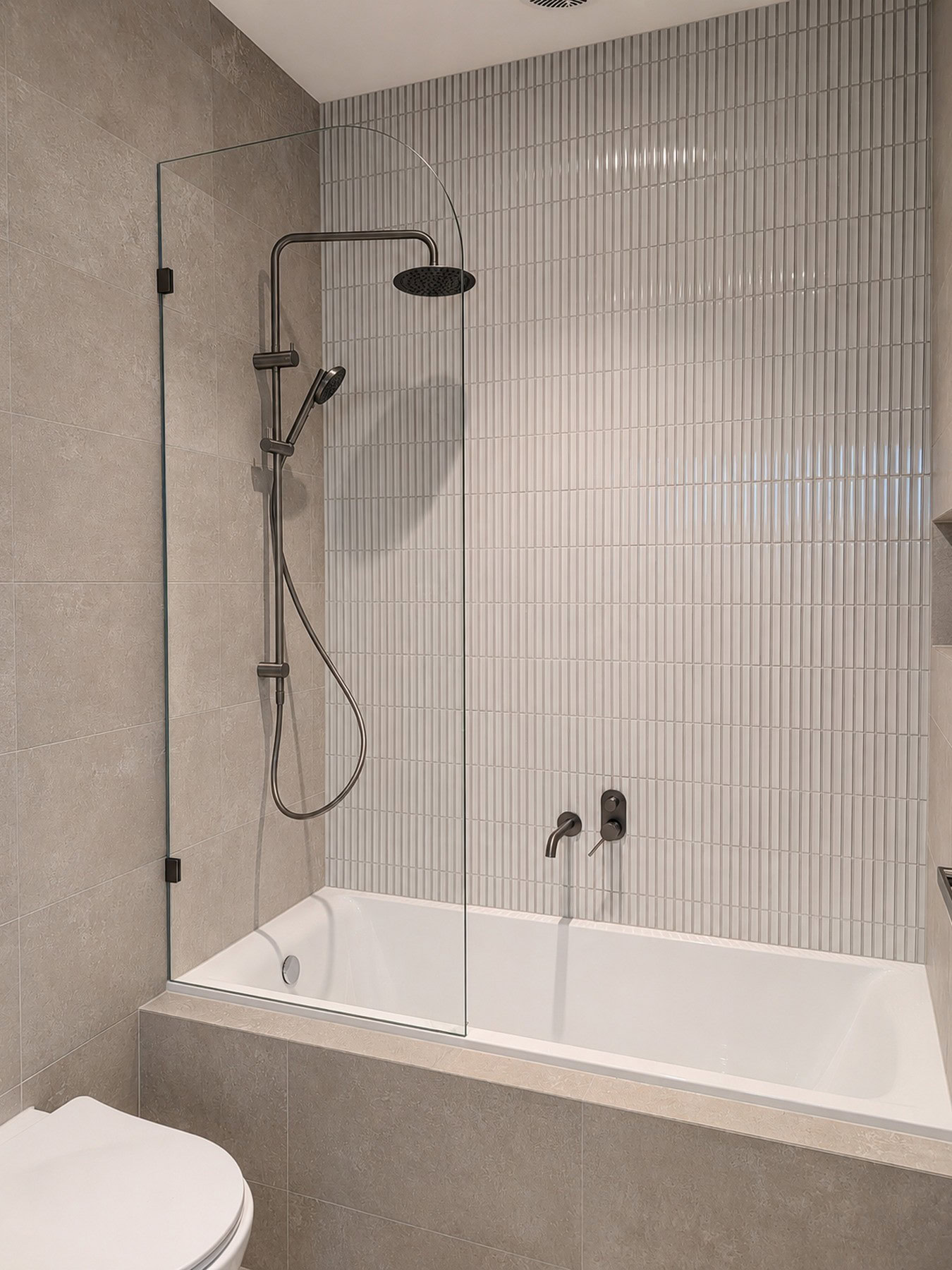
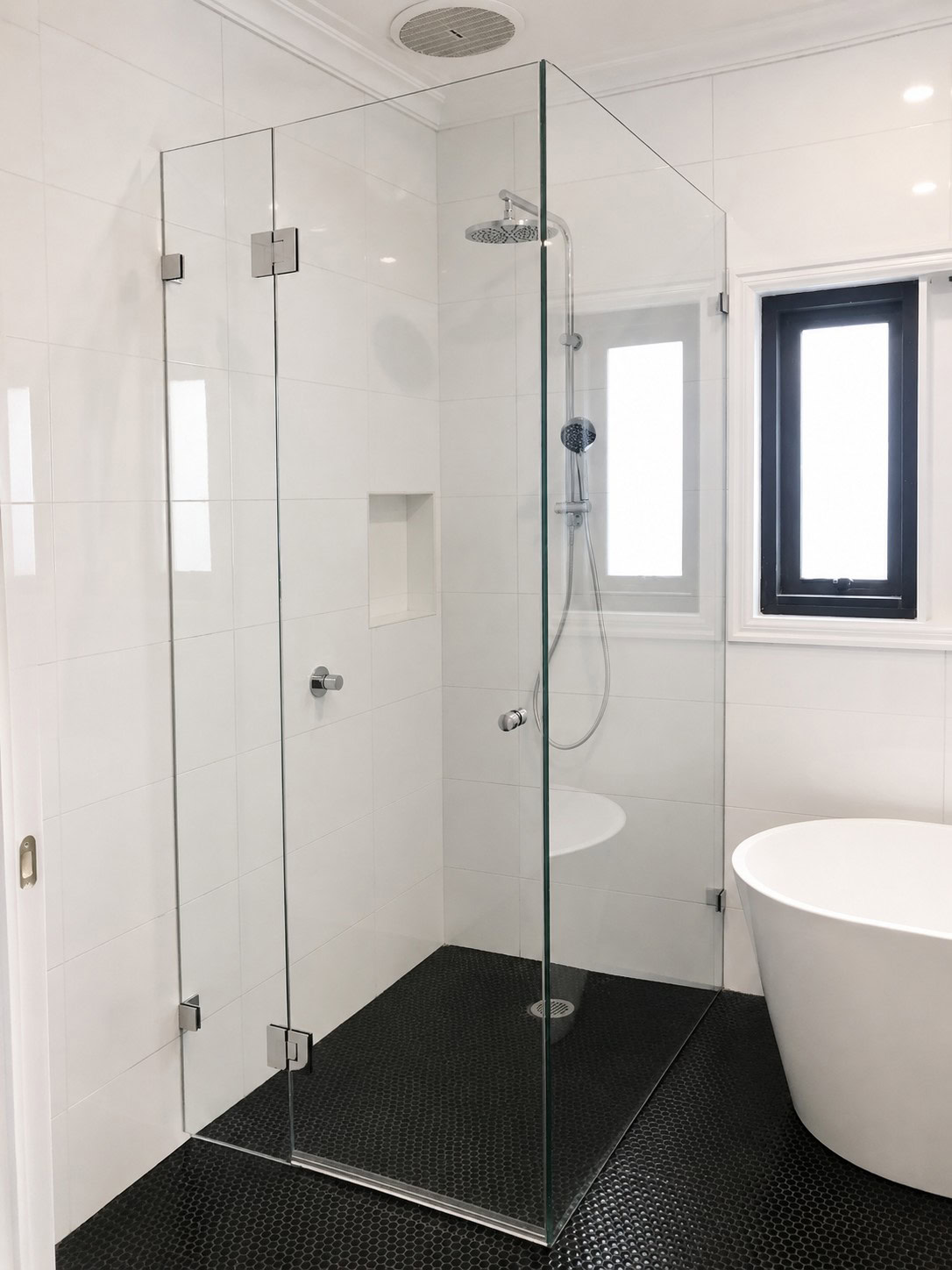
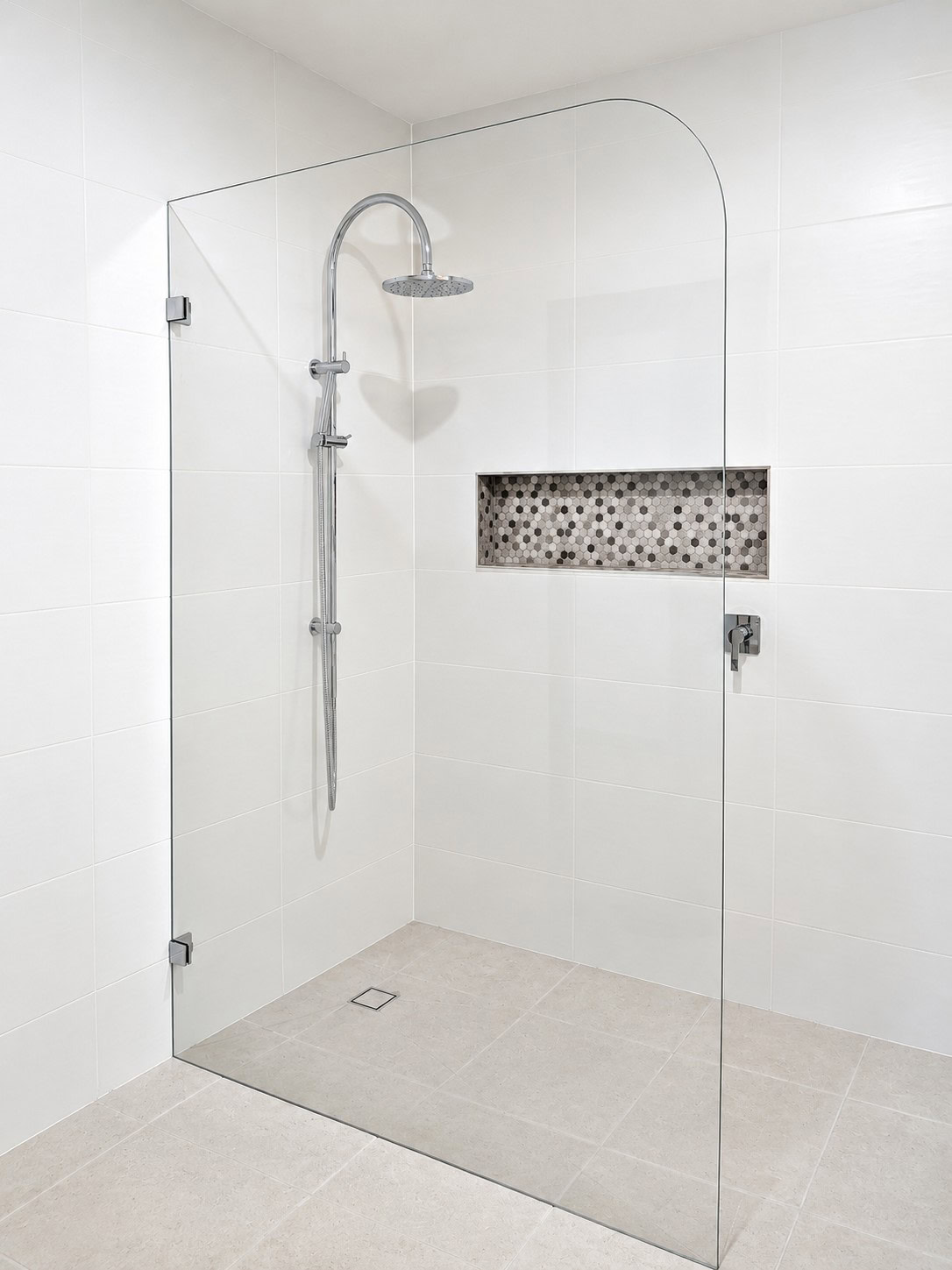
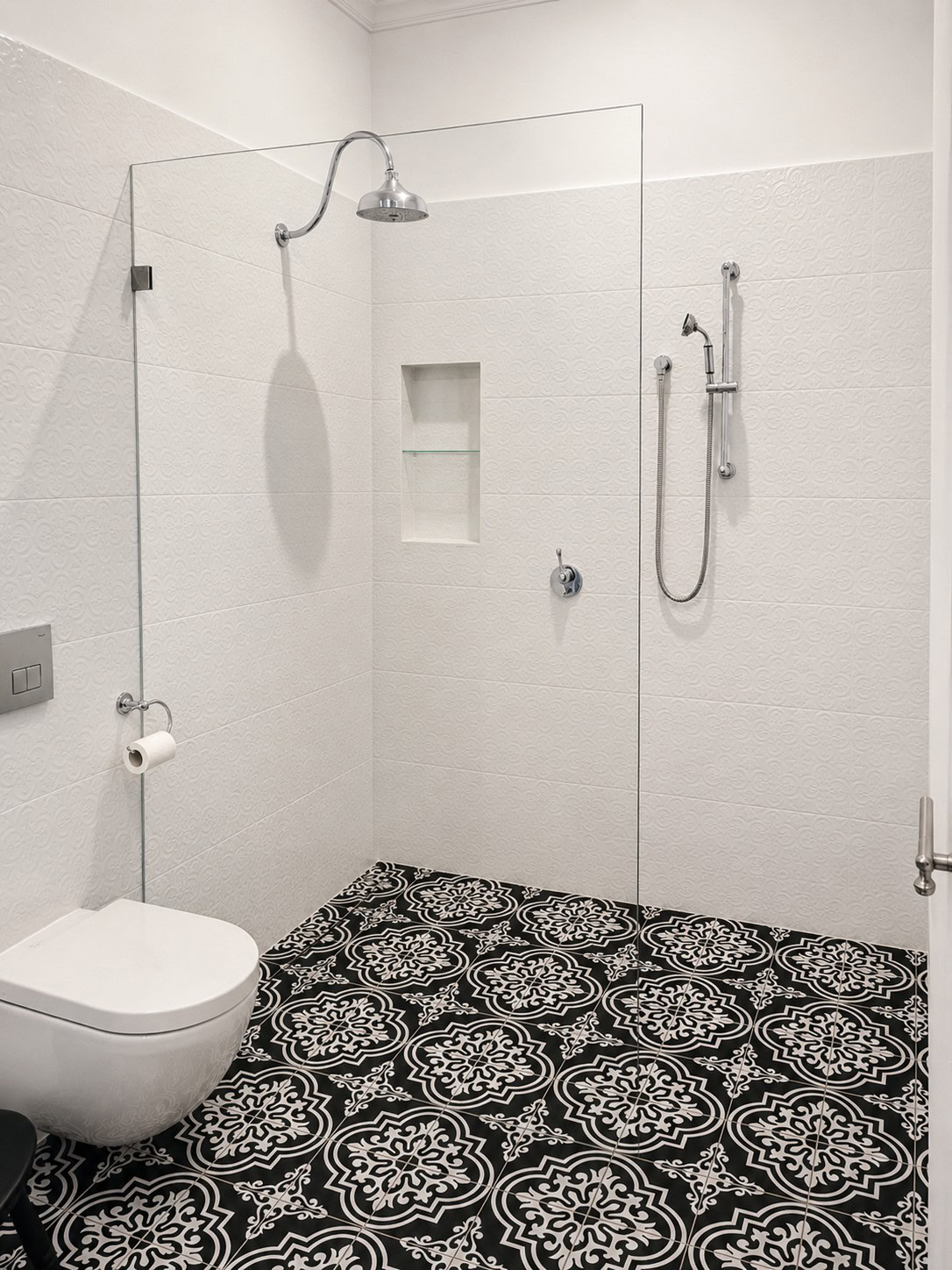
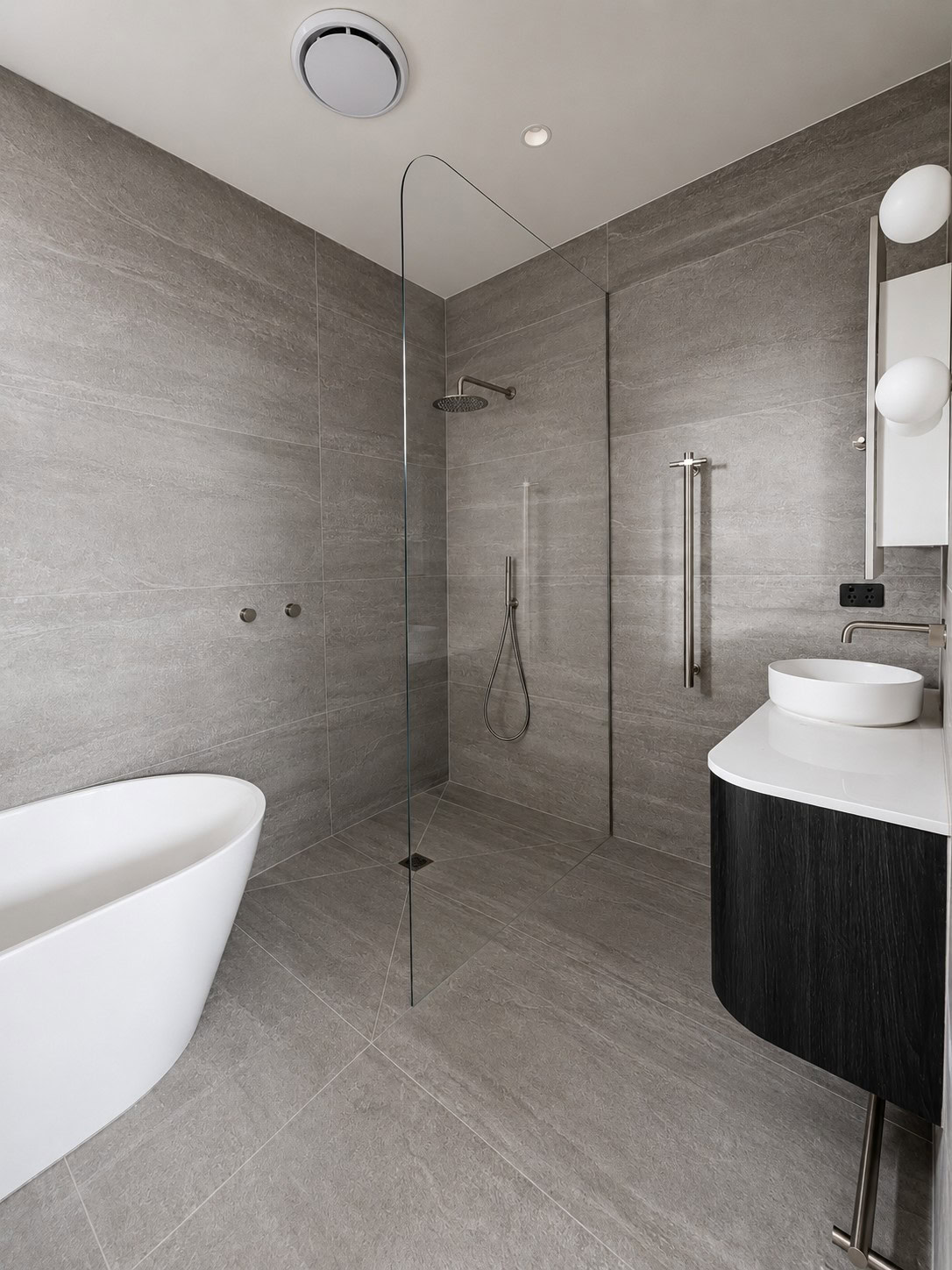
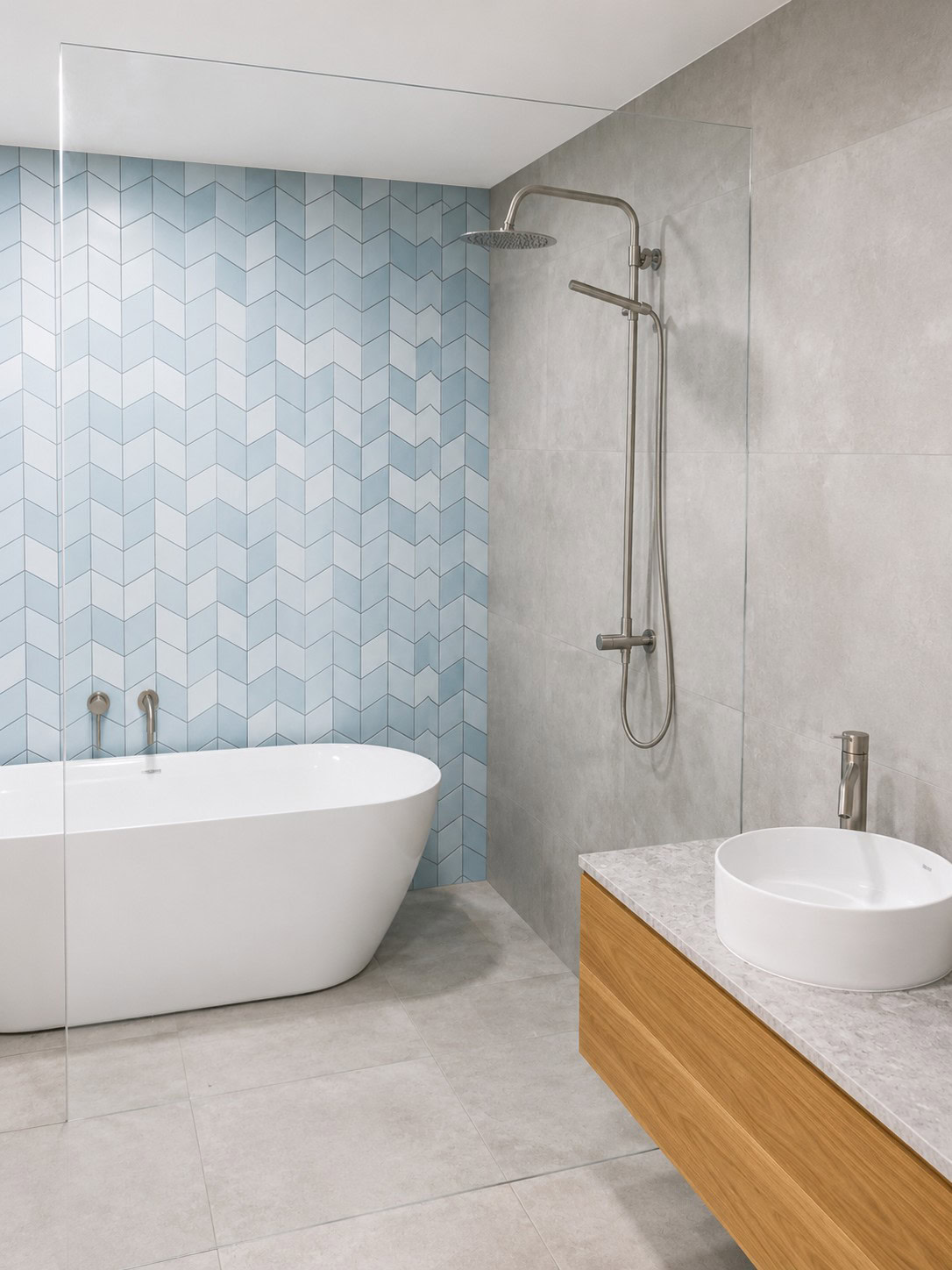
A selection of low iron, Starphire and crystal clear shower screens in frameless, sliding, curved, full height and walk in layouts, with chrome, black, gunmetal and warm metallic hardware finishes.







Get a price option for low-iron glass
If you are comparing standard clear glass and low-iron glass, send through your bathroom photos, measurements or plans and we can include a no-obligation low-iron glass option with your shower screen quote.
Helpful to send
- Bathroom photos or renovation plans
- Approximate opening width and height
- Preferred layout, such as walk-in, hinged or sliding
- Hardware finish preference
- Whether you want standard clear or low-iron glass priced
Different names for low-iron glass
Low-iron glass is sometimes described using different names depending on the supplier, brand or customer search term. In bathroom renovation projects, these names usually point to the same idea: clearer glass with less green edge tint than standard clear glass.
Starphire glass
A well-known name often used for ultra-clear low-iron glass and Starphire glass shower screens.
Starfire glass
Often used by customers searching for a Starfire glass shower screen or Starphire-style glass.
Staphire glass
A common misspelling of Starphire glass.
Ultra-clear glass
A general description for glass with reduced green tint.
Crystal-clear glass
Another way people describe the cleaner, clearer appearance, including searches for crystal shower screens.
Optiwhite glass
Another product name commonly associated with low-iron glass.
Low-Iron Glass Shower Screen FAQs
Common questions about low-iron glass shower screens, Starphire glass, green tint, cleaning, cost, replacement work and suitable frameless shower layouts.
Low-iron glass is the general type of clearer glass used to reduce the green tint normally seen in standard clear glass. Starphire glass is one of the names often used for ultra-clear low-iron glass.
You may also hear similar terms such as Starfire glass, Optiwhite glass, crystal-clear glass or ultra-clear glass, depending on the supplier or brand.
Low-iron glass is worth considering when your bathroom has white tiles, marble-look tiles, light stone, pale grout or premium hardware finishes. It helps reduce the green edge tint that can be visible in standard clear glass, making the shower screen look cleaner and less visually heavy.
It is especially useful where the glass edge is easy to see, such as taller panels, return panels, angled screens and layouts with exposed polished edges.
Yes. All glass has some natural colour, especially when viewed through the edge. Low-iron glass simply has much less green tone than standard clear glass, which gives it a clearer and more colour-true appearance.
Yes. Low-iron glass can be used for many custom frameless shower screen layouts, including sliding shower screens, hinged shower screens, walk-in panels, full-height shower screens, over bath panels and corner entry shower screens.
Yes. Low-iron glass works well for 135 degree shower screens and diamond shaped layouts because angled panels often show more exposed glass edge detail.
If the bathroom has light tiles, brushed brass, chrome, gunmetal or matt black hardware, low-iron glass can help the angled layout feel cleaner and less visually heavy.
Yes. Low-iron glass can be used for shower screen replacement when replacing an older framed or semi-frameless screen with a cleaner custom glass layout.
The existing tiles, wall alignment, fixing points and old screen footprint need to be checked before confirming the best replacement layout.
No. Low-iron glass is clearer glass with reduced green tint. Narrow reeded glass is a textured privacy glass option with vertical lines.
Low-iron glass is usually chosen for clarity, while reeded glass is chosen for privacy, texture and a softer bathroom look.
No. Low-iron glass is chosen for clarity, not extra strength. For shower screens, the strength comes from using suitable toughened safety glass, correct glass thickness, accurate measurements and proper installation.
Yes. Low-iron glass is more expensive than standard clear glass because of the additional manufacturing required to reduce the iron content. While the raw glass itself can cost significantly more, the processing, hardware and installation costs remain similar.
In most frameless shower screen installations, choosing low-iron glass typically increases the overall price compared with standard clear glass. Ask us and we can provide both options as part of your quote.
The difference is most noticeable in bright bathrooms with white tiles, light stone, marble-look porcelain, pale grout lines or large glass panels. It is also more noticeable on thicker glass edges, where standard clear glass can show more green tint.
Low-iron glass works with most shower screen hardware finishes, including chrome, brushed brass, brushed nickel, gunmetal and matt black.
It is a good option when you want the hardware colour to look more accurate beside the glass, especially with warmer metallic finishes.
No. Low-iron glass is cleaned in the same way as standard clear glass. Regular squeegeeing, mild cleaning products and good bathroom ventilation will help keep the glass looking clear. The main difference is the visual clarity, not the cleaning process.
For easier maintenance, we can also apply a protective glass coating to help reduce water spots, soap build-up and mineral staining.
For custom frameless shower screens, the final measure is usually done after tiling is complete. This lets the glass be made to suit the finished wall positions, tile lines, floor fall and any out-of-square areas.
This is especially important for low-iron glass because the cleaner edge detail can make uneven gaps more noticeable if the layout is not measured properly.
In most cases, we provide initial pricing based on photos, sketches, plans and project details rather than free on-site quoting.
To help prepare a quote, please send:
- Photos of the bathroom
- A sketch, plan or approximate measurements
- The preferred layout, such as walk-in, hinged, sliding, full height or 135 degree
- The preferred hardware finish
- Any access limitations such as stairs, lifts or restricted parking
Once we have this information, we can usually provide a fairly accurate quote and advise on the next steps for measuring and installation.