
Shower Screen
Replacements
Melbourne
Replace an old framed, leaking or damaged shower screen with a custom frameless glass screen measured and installed to suit your bathroom.
Update the shower without rebuilding the whole bathroom
If the tiles, shower base and other fixtures are still in good condition, replacing the shower screen can give the bathroom a cleaner and more modern look without committing to a complete renovation.
The replacement glass is custom measured to suit the existing bathroom. Depending on the opening, we may follow the original layout or recommend a different configuration that improves access, makes the shower easier to clean or reduces the amount of visible framing.
Some screens are replaced because they simply look tired. Others have started leaking, become loose or suffered damaged or shattered glass. The most common reasons for replacing a shower screen are outlined below.
When should a shower screen be replaced?
Sometimes a shower screen is replaced to modernise the bathroom. In other cases, leaking, movement, damaged components or broken glass can make replacement the more practical option.
Old screen or bathroom refresh
Heavy framing and older hardware can make an otherwise good bathroom feel darker and more enclosed. Replacing the screen can open the room up and give the bathroom a cleaner look without changing everything else.
Leaking or failed silicone
If water is escaping around the screen, the cause should be checked before the replacement is planned. The problem may come from poor installation, worn silicone, the floor fall or just worn silicone.
Loose or damaged screen
Loose framing, worn hinges, broken rollers and corroded hardware can make a screen difficult to operate. When several components are failing, replacement may be more practical than continuing to repair the old screen.
Shattered safety glass
Toughened glass can sometimes shatter because of impact, damage to an exposed edge, stress in the glass or a rare nickel sulphide inclusion from the manufacturing process. The remaining hardware and surrounding surfaces should be checked before new glass is installed.
Caroline Springs shower screen replacement
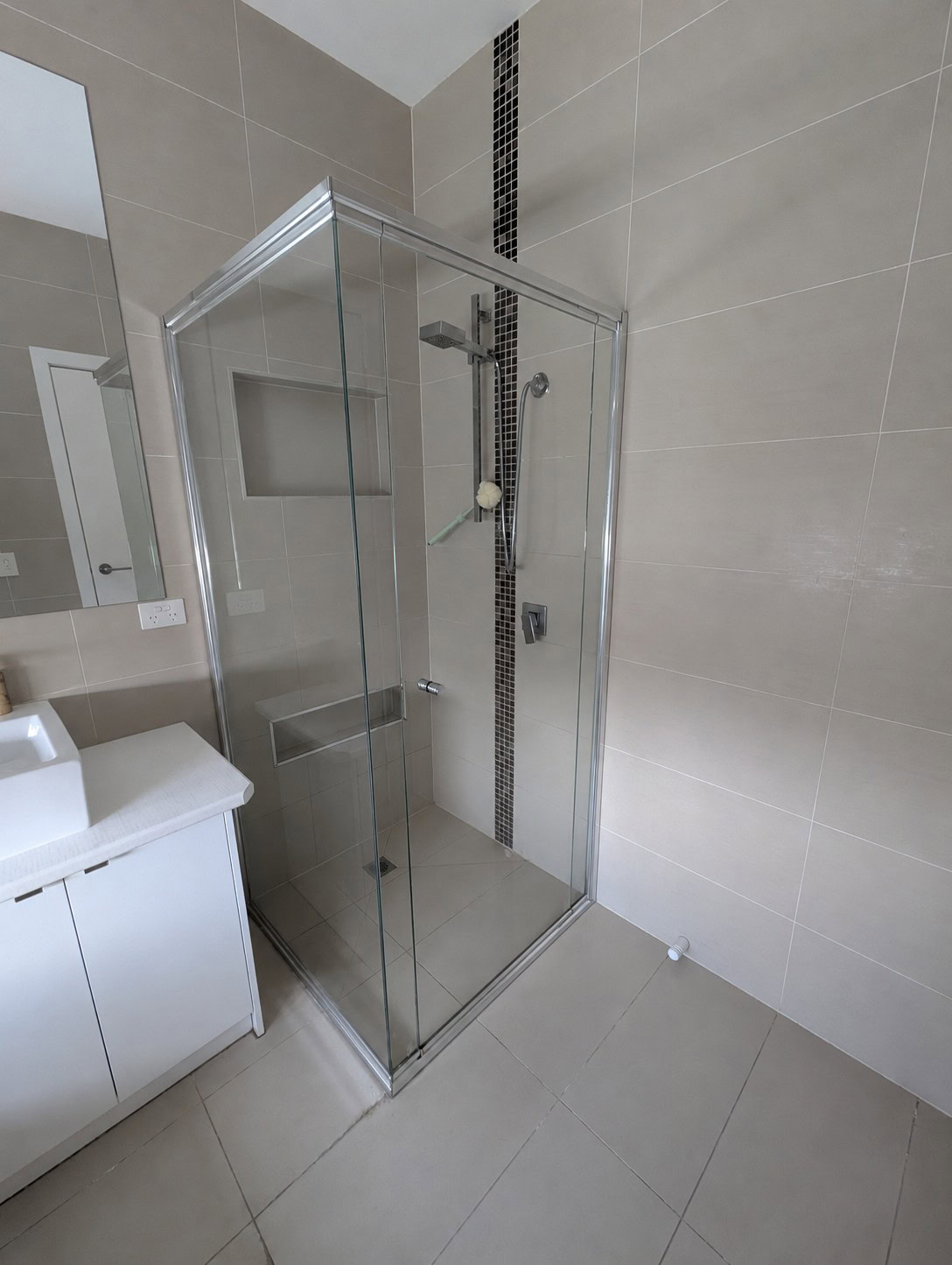
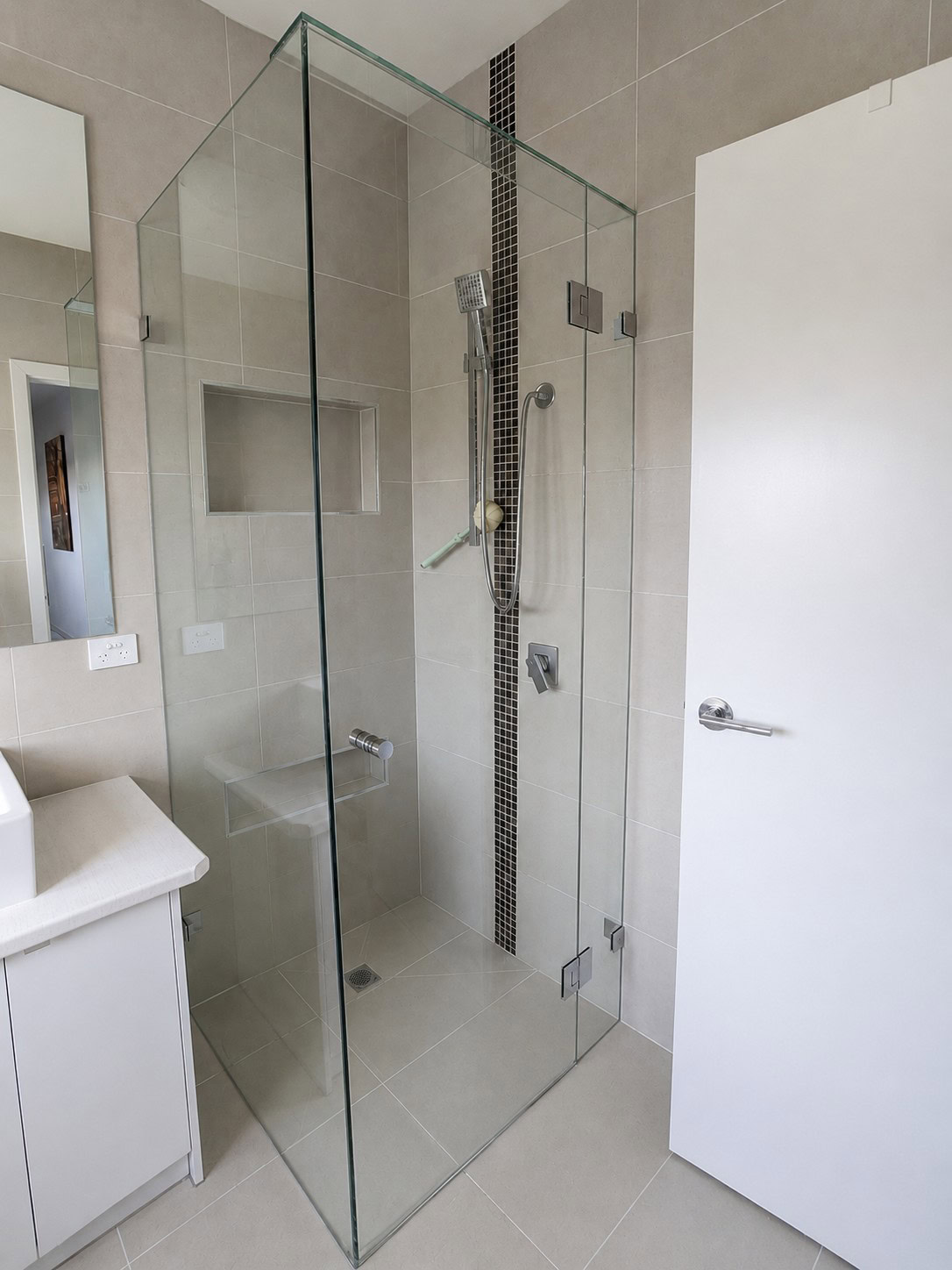
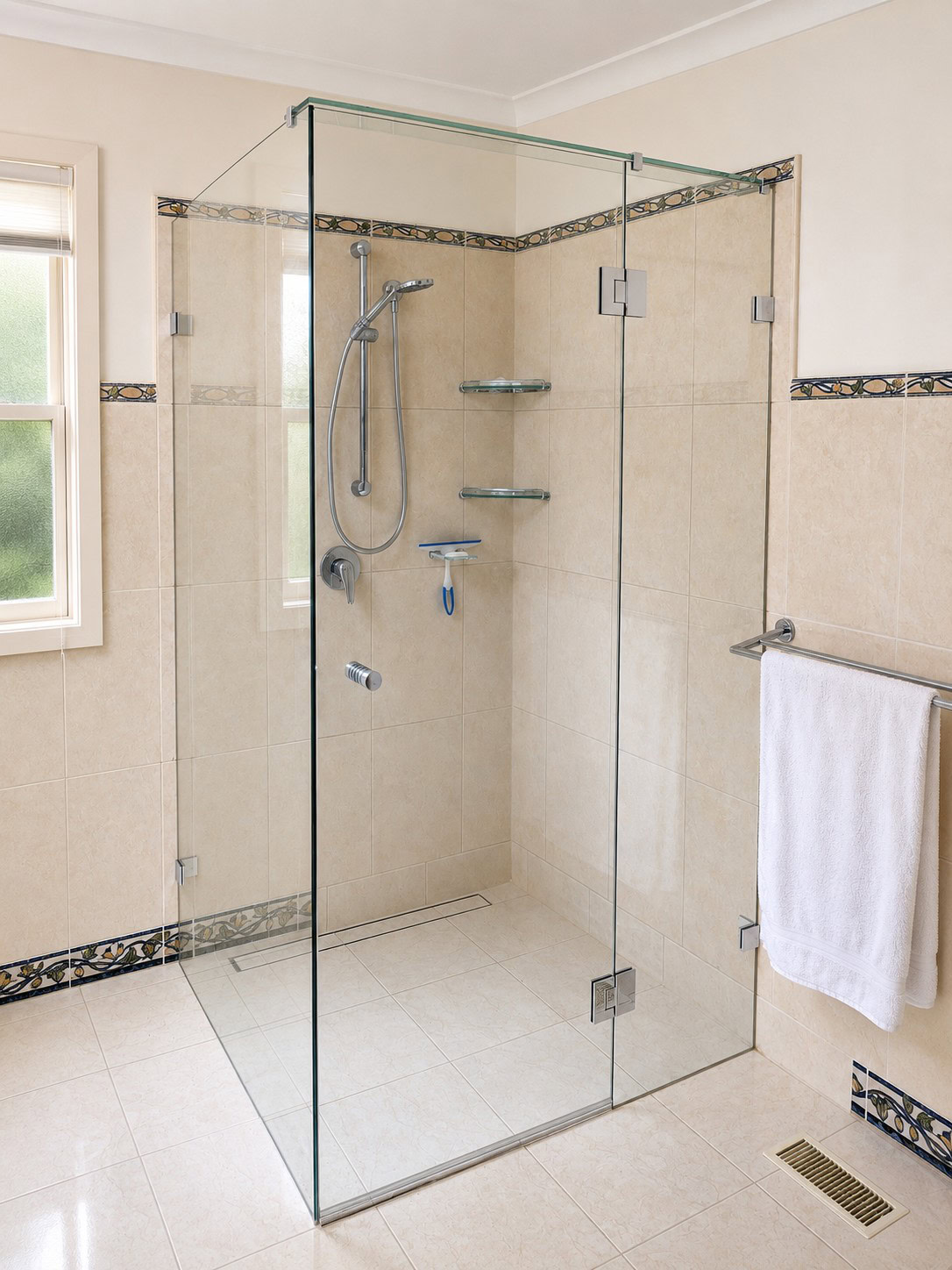
The old framed screen in this Caroline Springs shower screen replacement was removed and replaced with a clean frameless glass enclosure. The result is lighter hardware, less visual clutter and a shower area that feels noticeably more open.
When we removed the existing screen, we flagged that the grout in the shower recess needed attention before the new glass went in. The timing worked well. While the glass was being manufactured, the client had the grout resealed and the shower was ready by the time we returned for installation.
It is a good example of why a replacement project often benefits from a proper measure visit rather than just swapping glass. Small things can be picked up early, before the new screen is installed.
Delahey walk in panel replacement
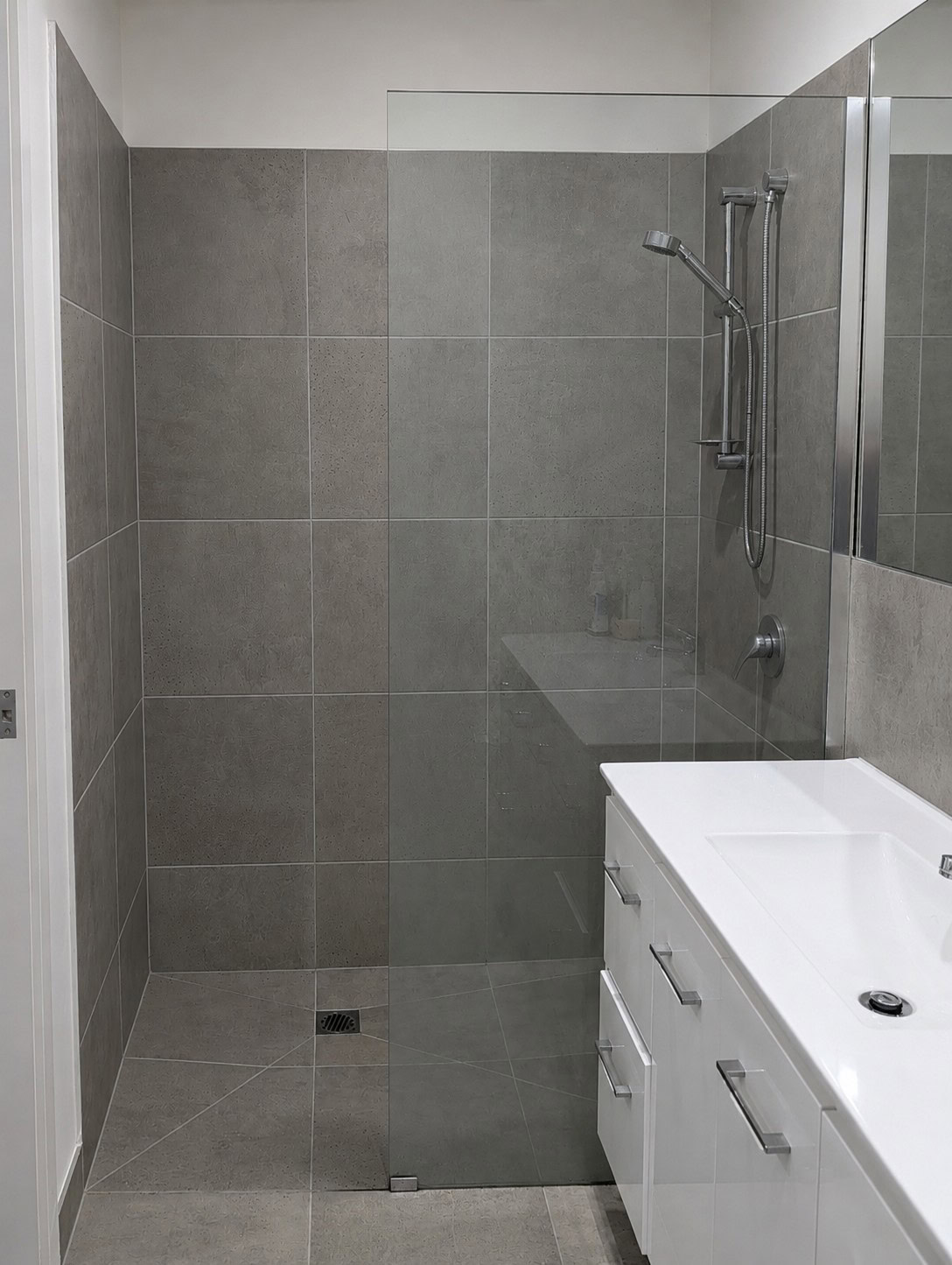
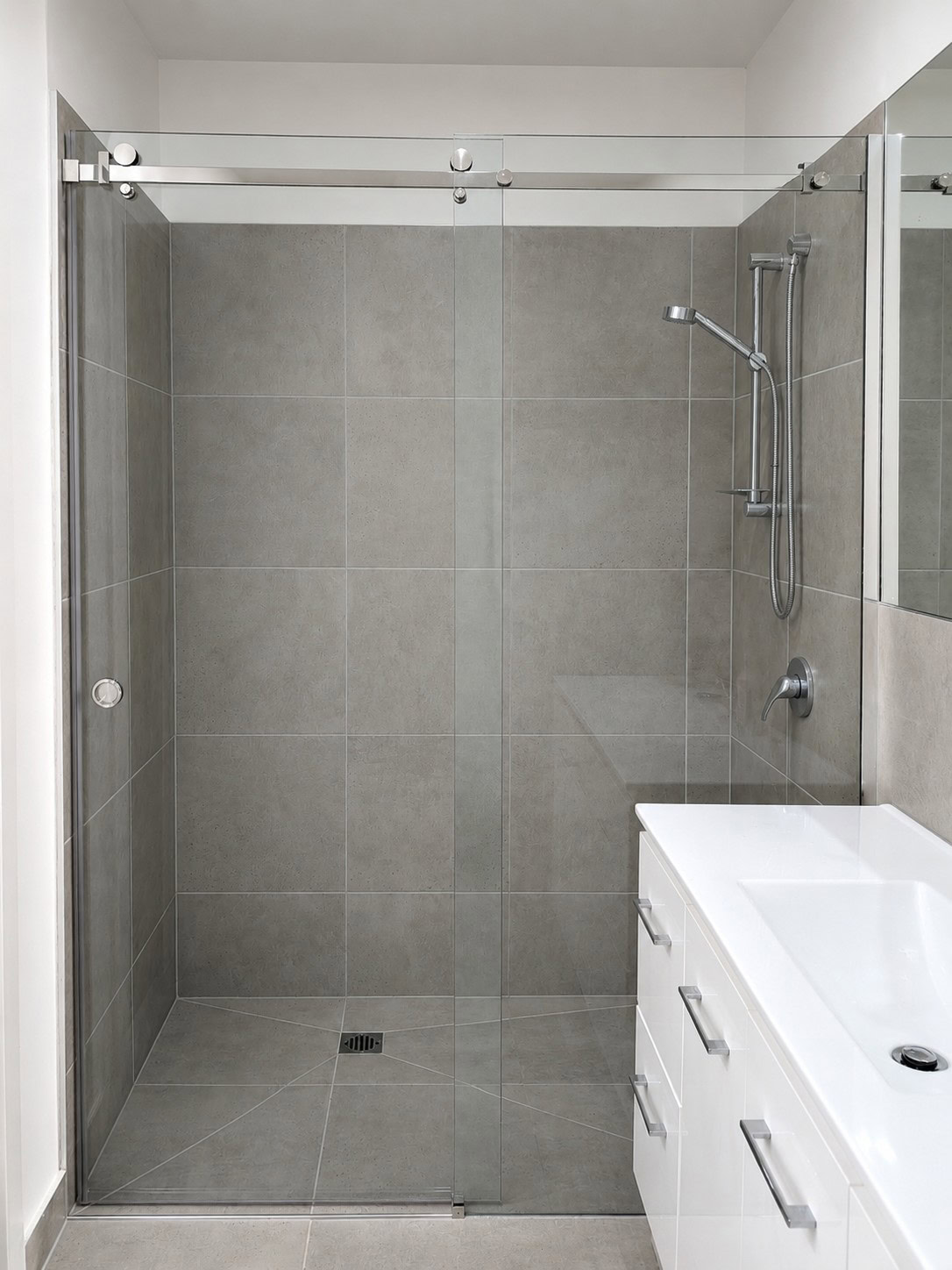
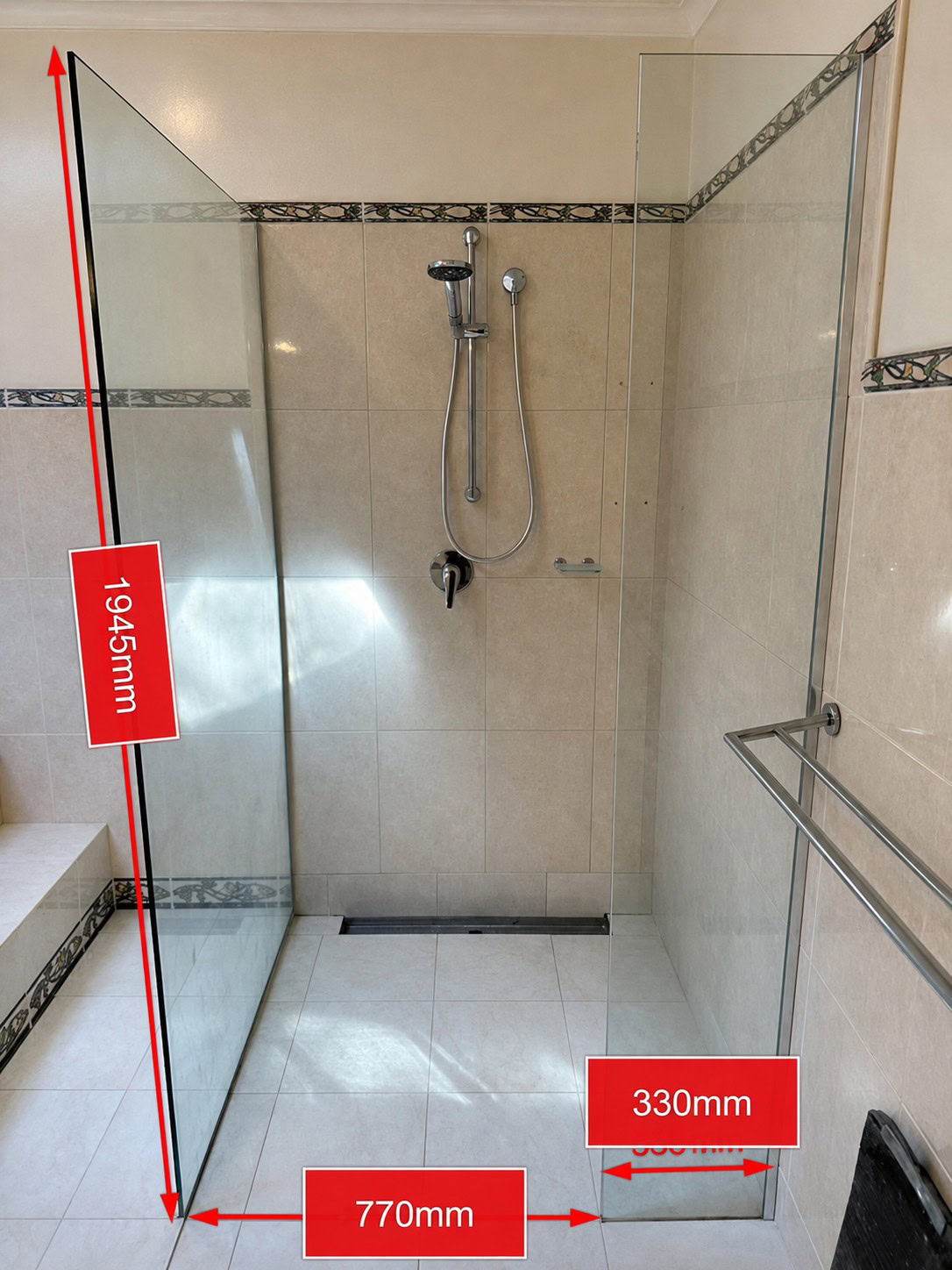
This Delahey bathroom had a single fixed walk in panel that was not doing enough to control splash. Water was escaping into the bathroom and causing damage near the door jamb, so the opening needed a better enclosed shower screen layout.
The old fixed panel was removed and replaced with a wall to wall sliding shower screen. This gave the bathroom better water control while still keeping the shower practical to use every day.
The original glass could not simply be reused because a sliding system needs rail fixing points and hardware positions that the existing panel was never made for. Toughened shower glass cannot be drilled after manufacture, so a new screen was made to suit the opening properly.
Check the splash problem
We look at where the water is escaping, not just the size of the existing glass.
Decide whether reuse makes sense
Existing glass can only be reused in limited situations because holes, rails and hardware positions are fixed.
Replace when the outcome is better
In some bathrooms, starting fresh gives a cleaner and more practical result than trying to add onto old glass.
Avondale Heights floor repair and new frameless screen
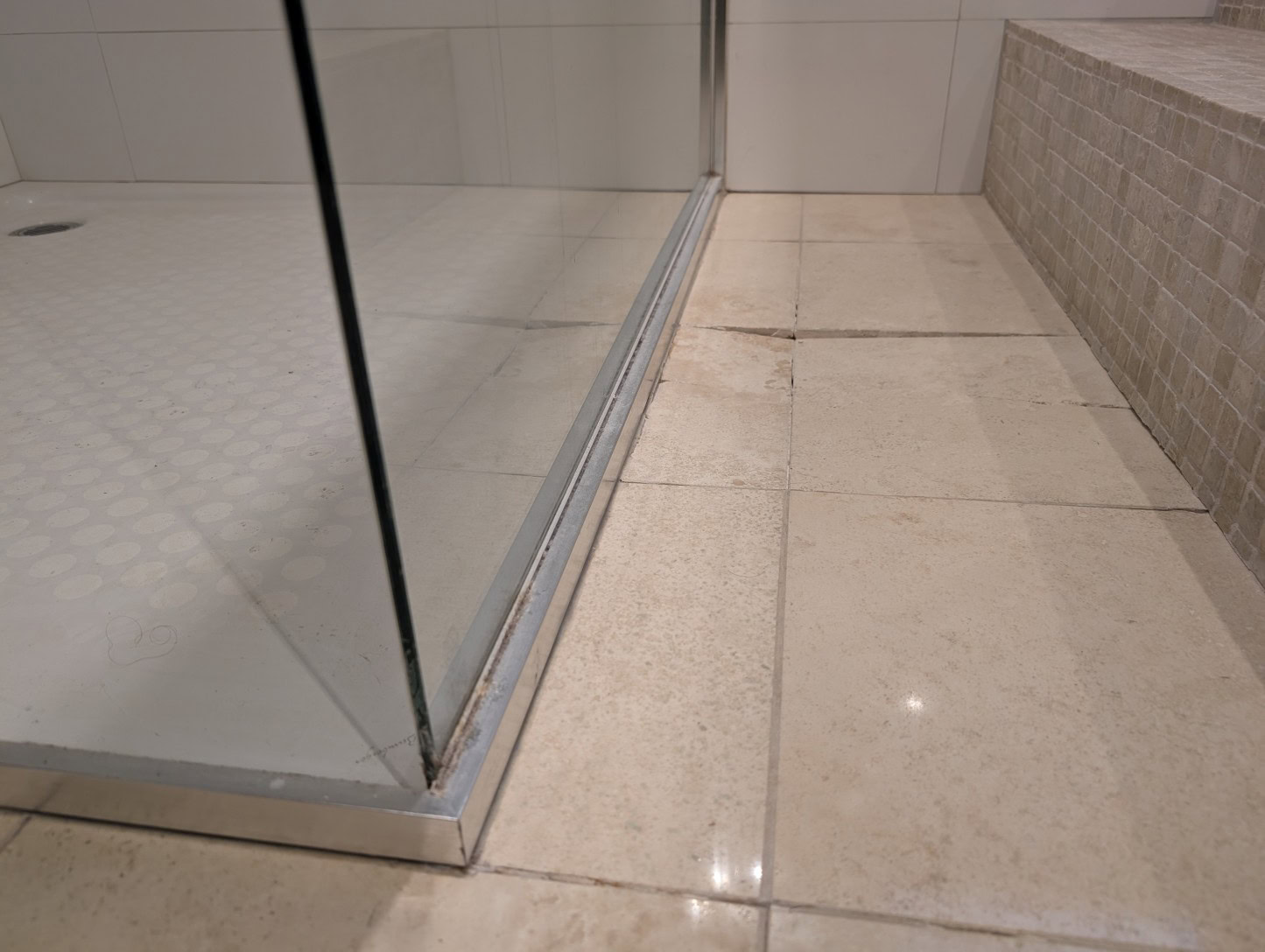
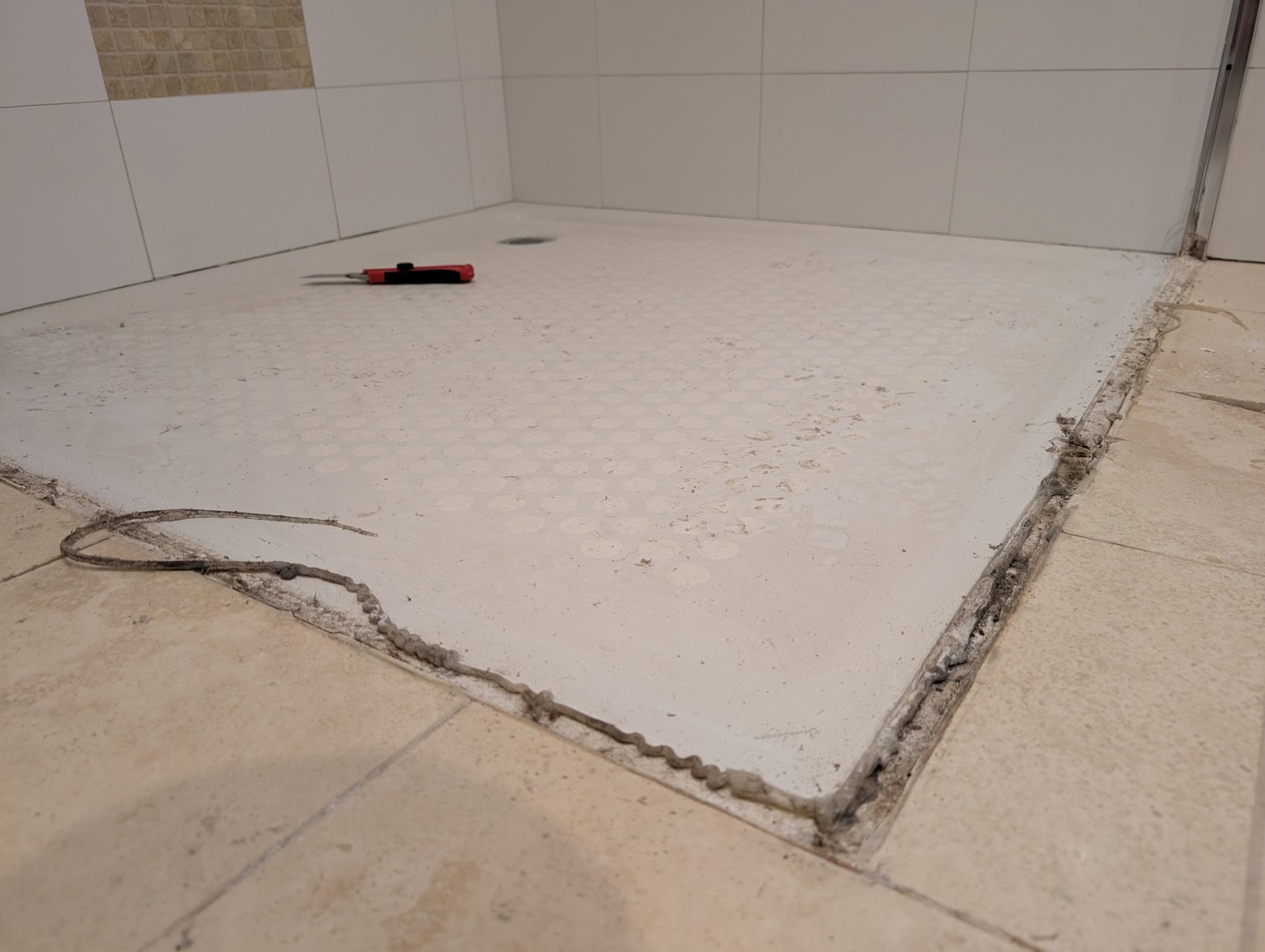
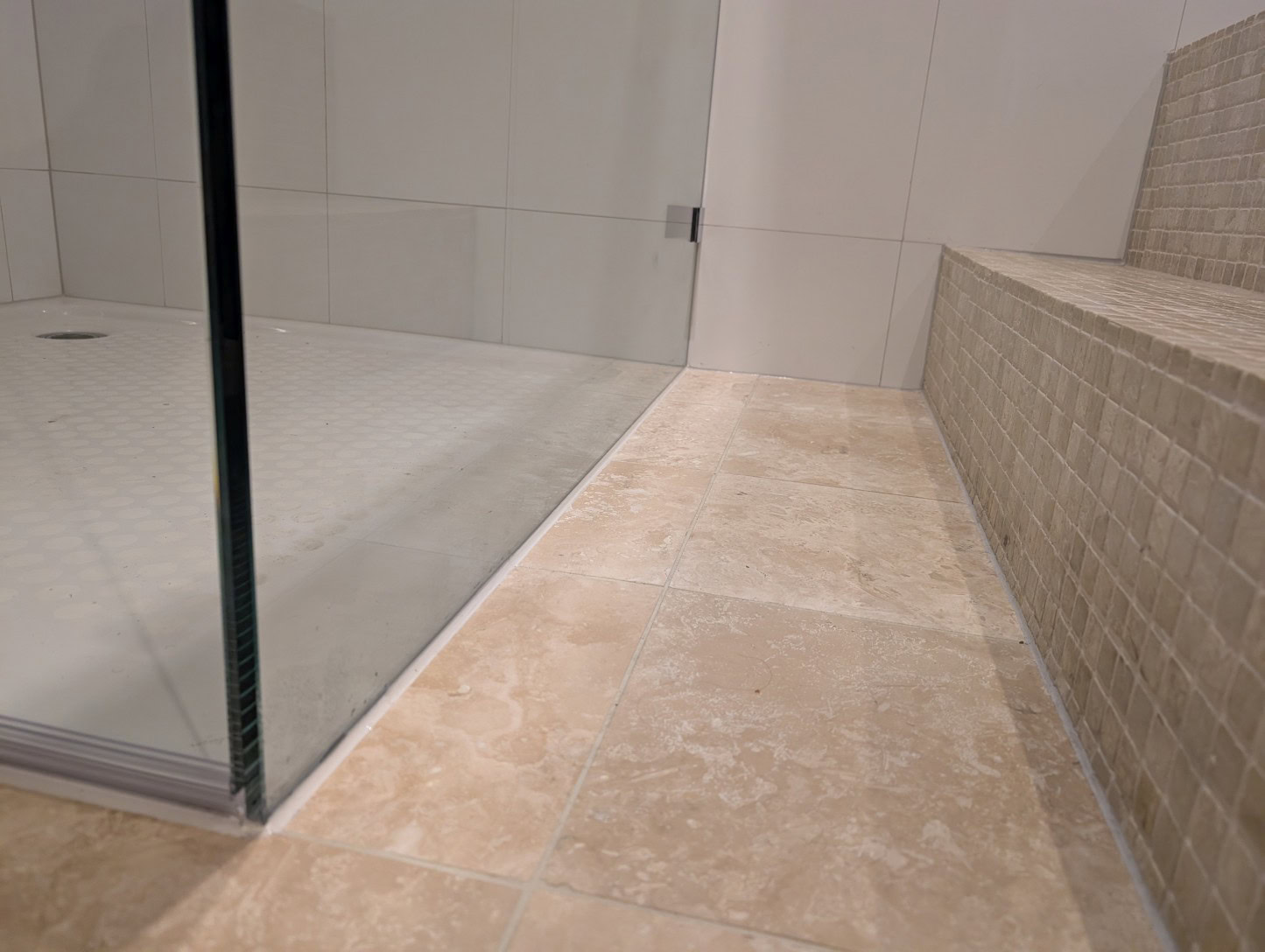
The original framed screen in this Avondale Heights ensuite had been installed incorrectly, and over time water had worked its way into the subfloor. The owner had no idea until a tile cracked underfoot.
Once the screen was removed, the extent of the damage became clear. The client arranged the subfloor repair, waterproofing and retiling before we returned to measure and install the new chrome frameless shower screen.
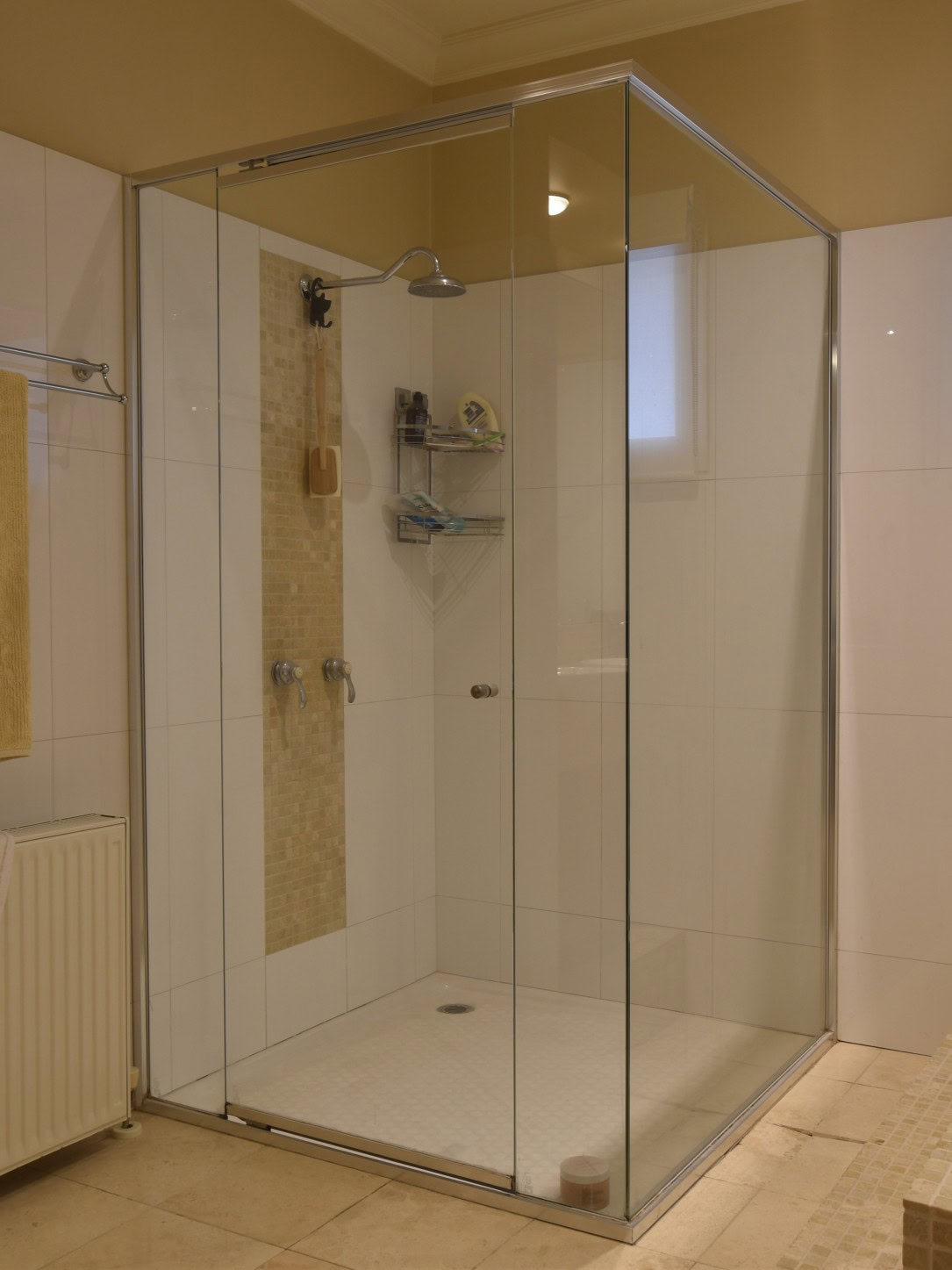
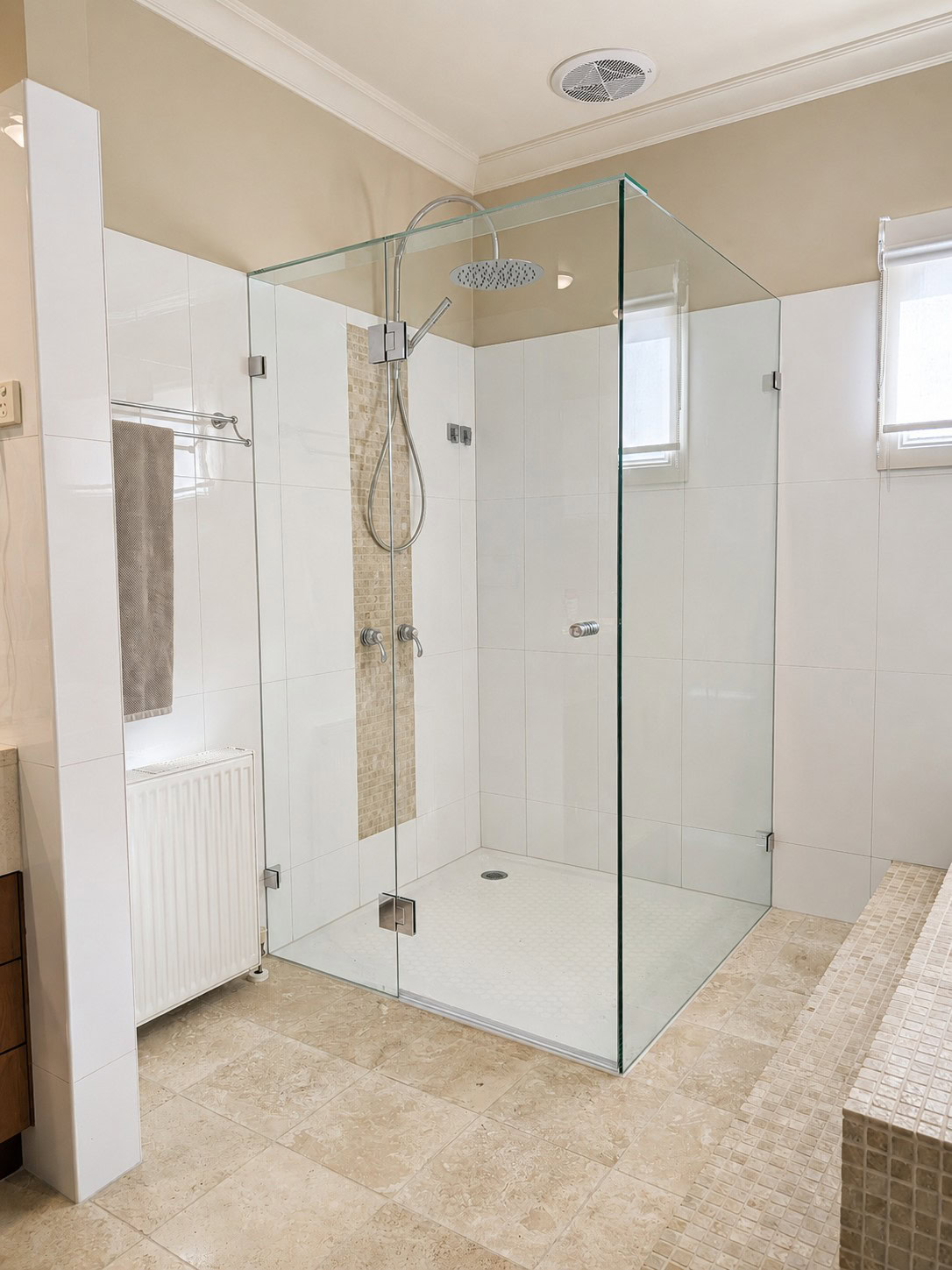
What was found after the old screen came out
These extra photos show the hidden issue behind the replacement. The old screen was removed, the damaged area was exposed, then the client arranged the repair work before the new frameless glass was installed.
When a shower screen shatters unexpectedly
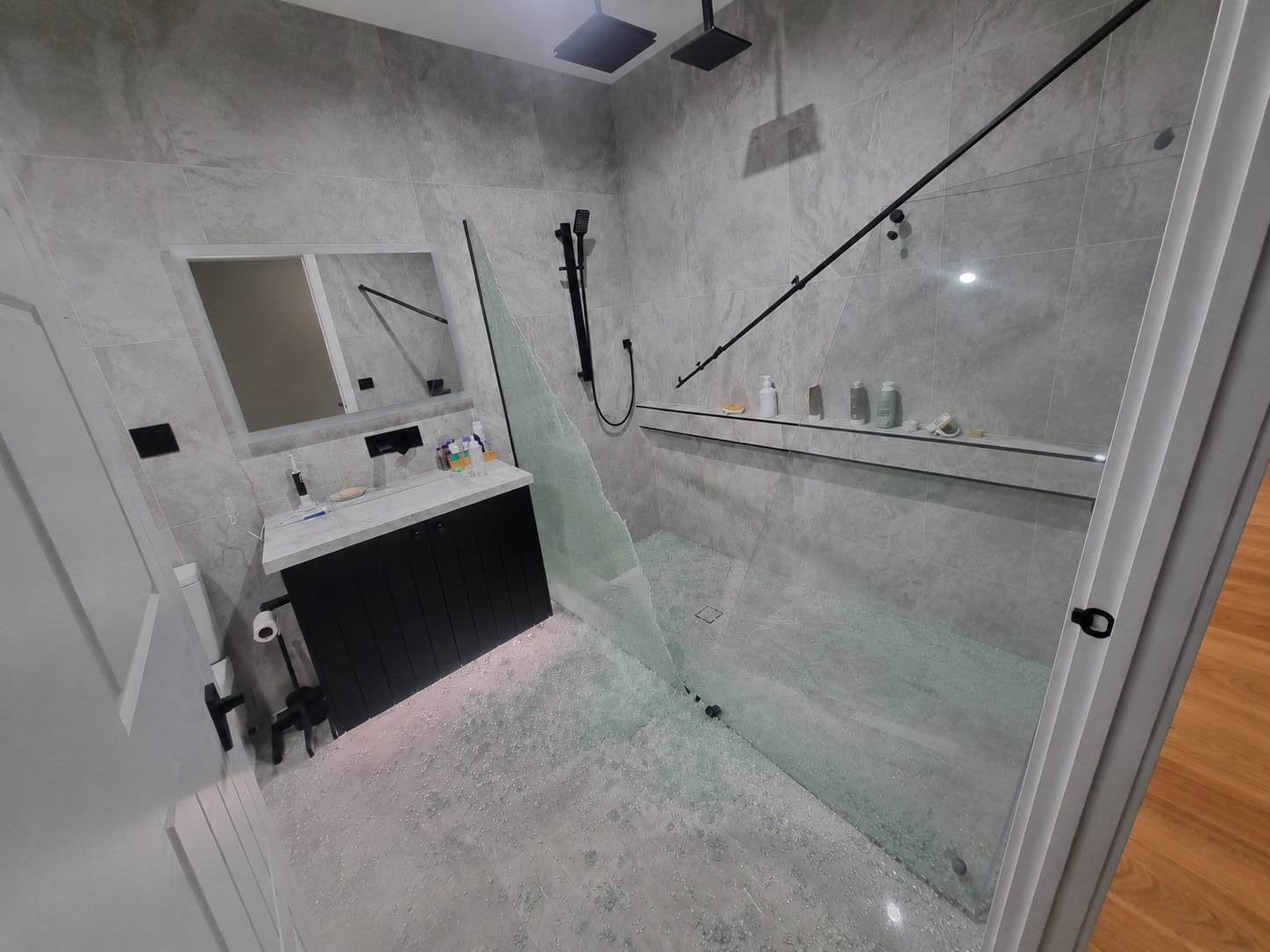
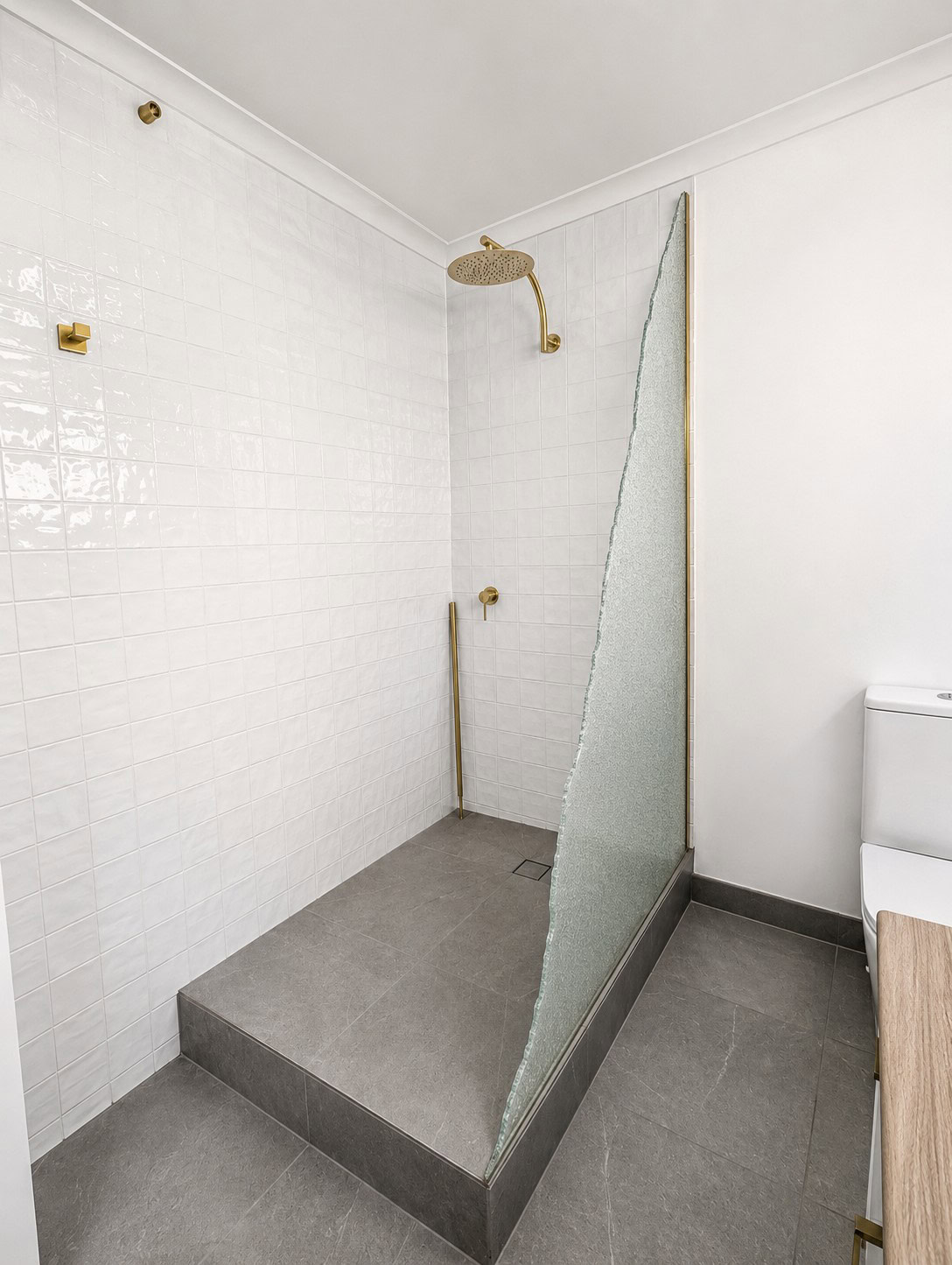
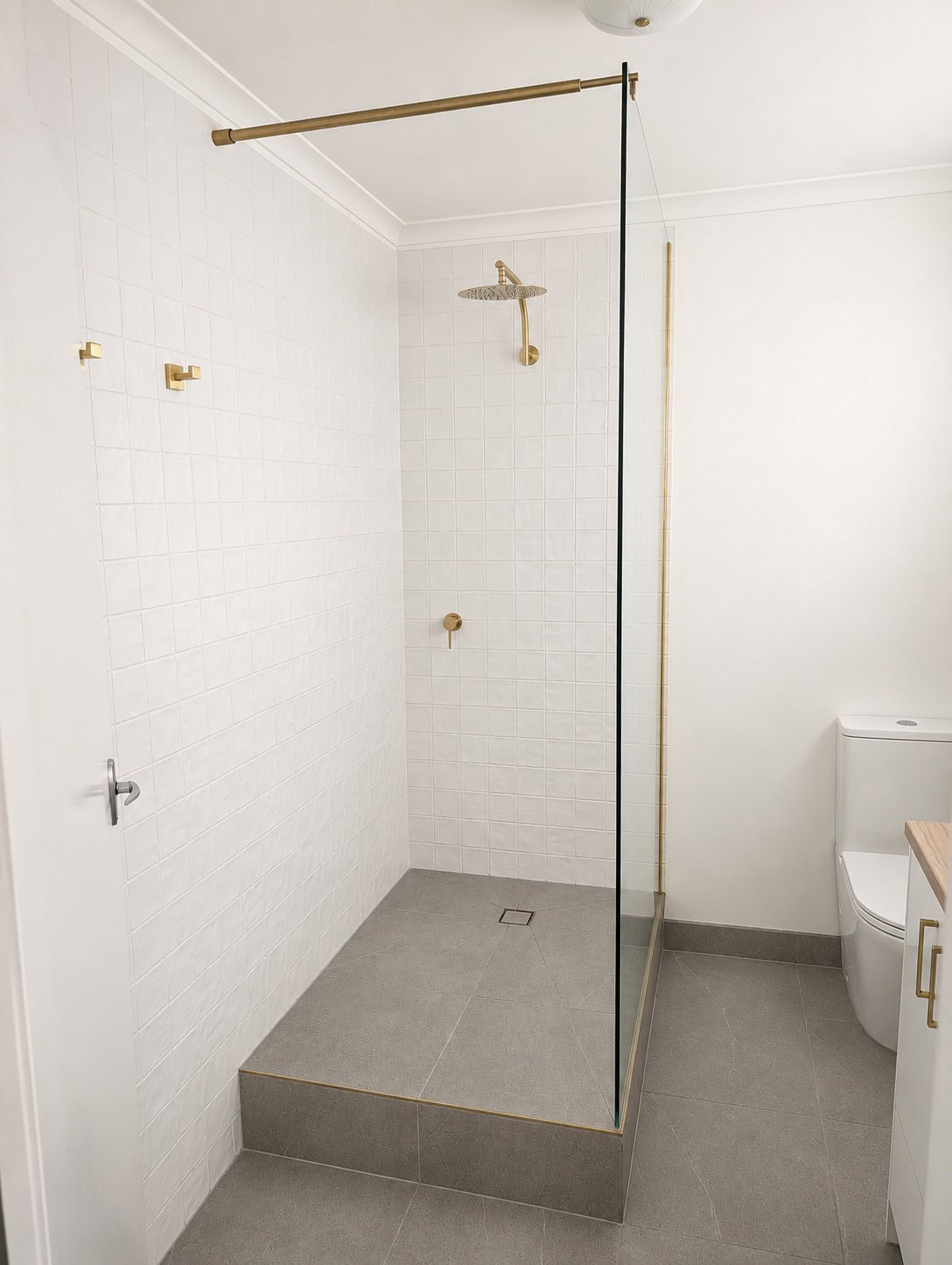
Toughened shower glass is designed to break into small pieces if it fails, but it can still be a stressful mess when it happens without warning. In this Clifton Hill bathroom, the existing fixed shower panel had shattered and needed to be cleared before a new panel could be measured and installed.
Once toughened glass has broken, the exact cause is not always possible to confirm. Breakage can come from impact, damaged glass edges, pressure around the fixing points, movement in the panel or a rare manufacturing flaw called nickel sulphide inclusion. For this bathroom, the damaged panel was removed and replaced with new glass.
Sydenham low iron ensuite screen
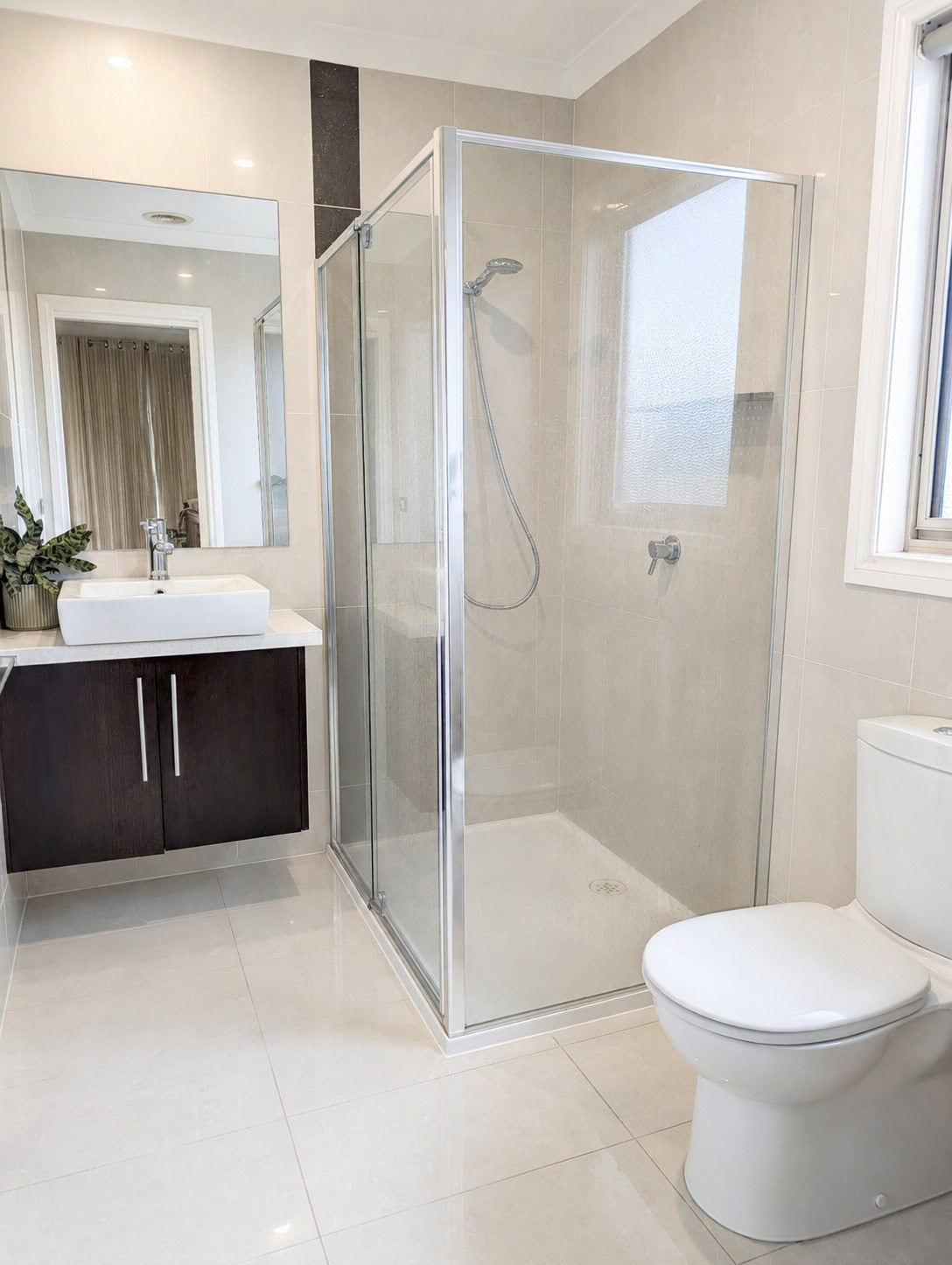
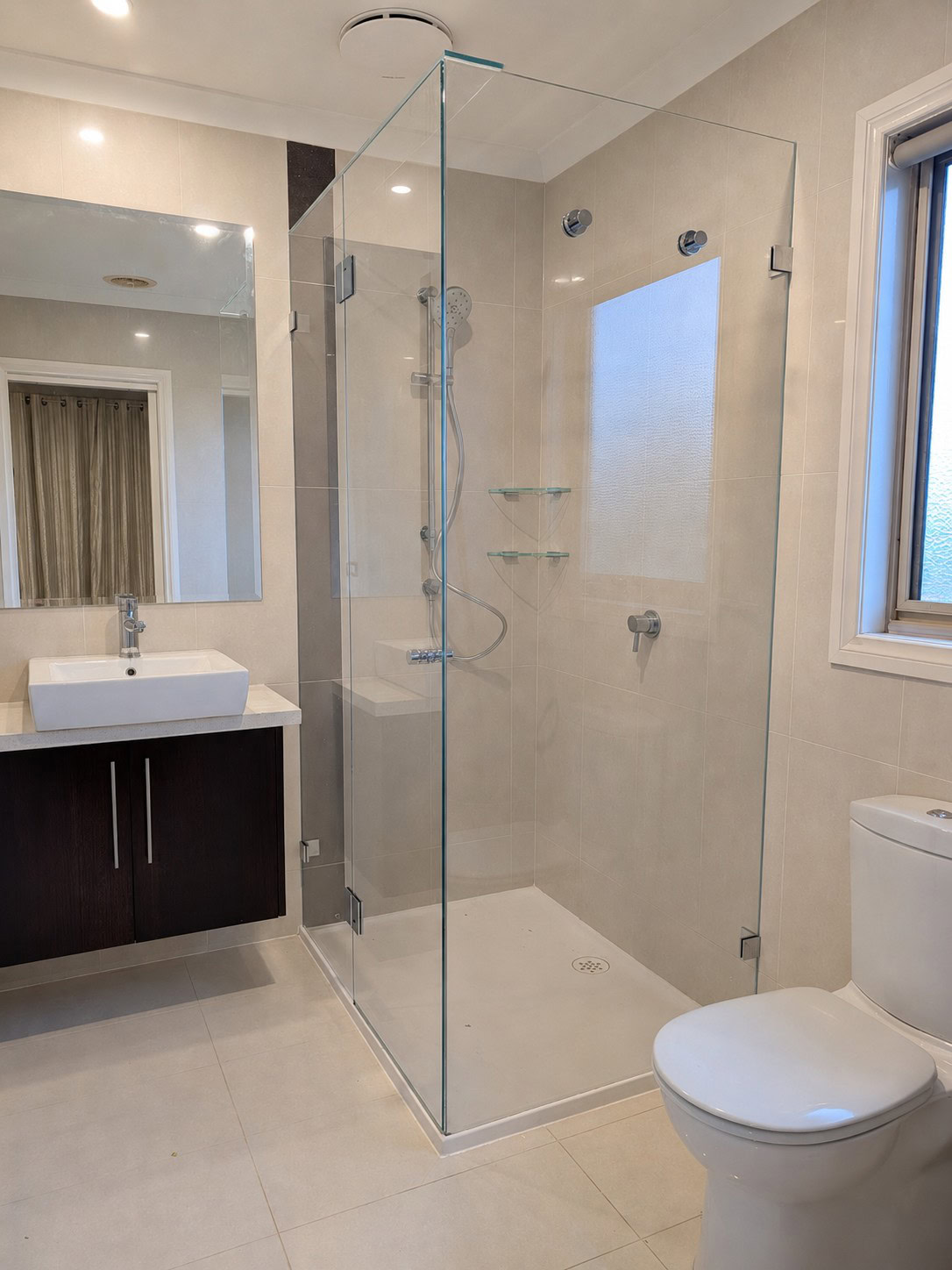
This Sydenham ensuite had an older framed screen that had seen better days, with a squeaky door, dated hardware and a height that did not line up with anything else in the room.
The screen and mirror were both replaced and brought up to 2130 mm to align with the window height. Low iron glass was chosen for its cleaner, brighter finish against the lighter tiles, with less green tint through the glass edge and a noticeably clearer overall look.
As the shower screen was custom made, the client also had the option of adding robe hooks through the side glass panel, keeping the towel hooks neat and built into the glass.
Nano coating was applied before installation to make everyday cleaning easier.
Templestowe chrome frameless screen
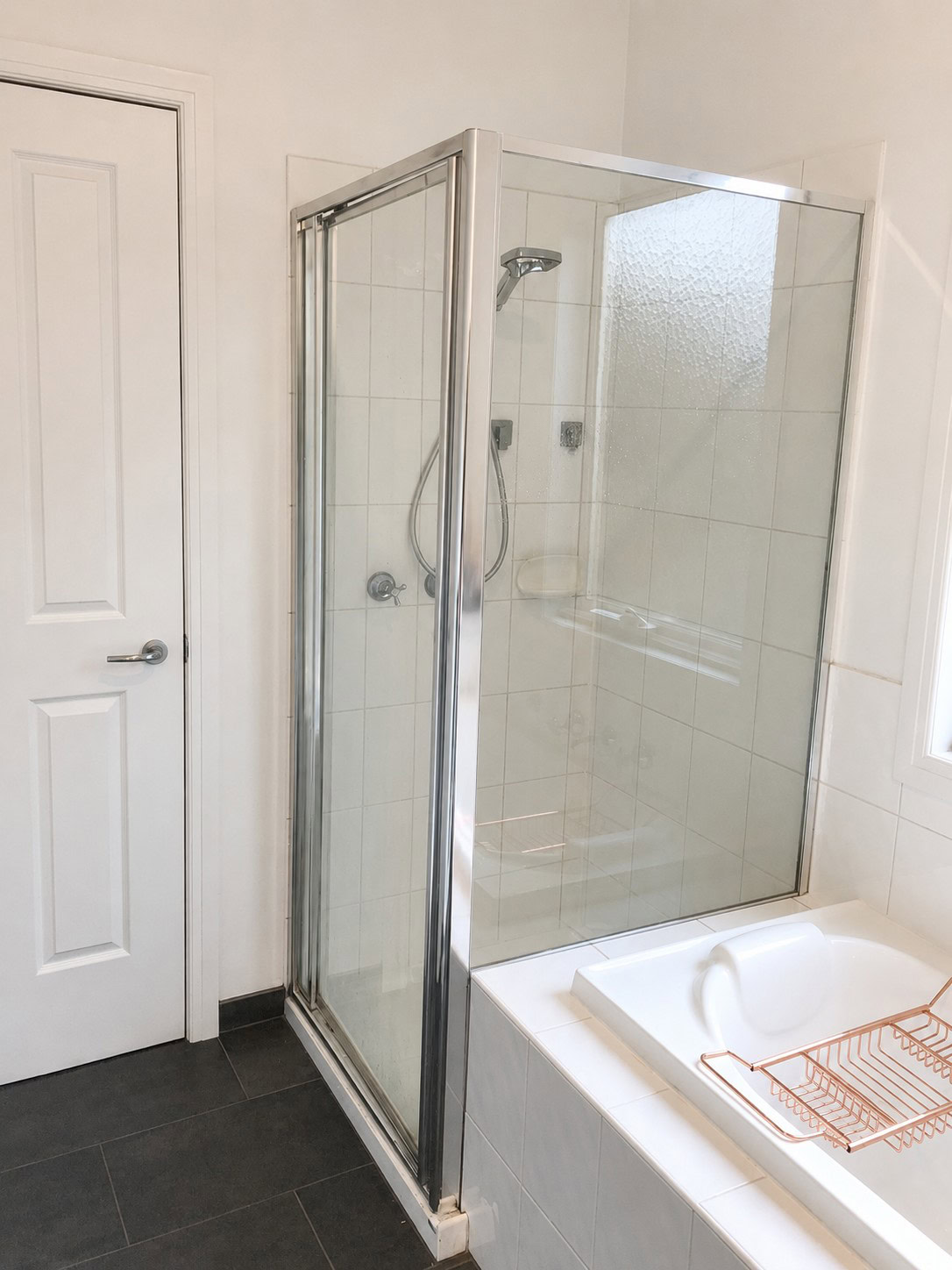
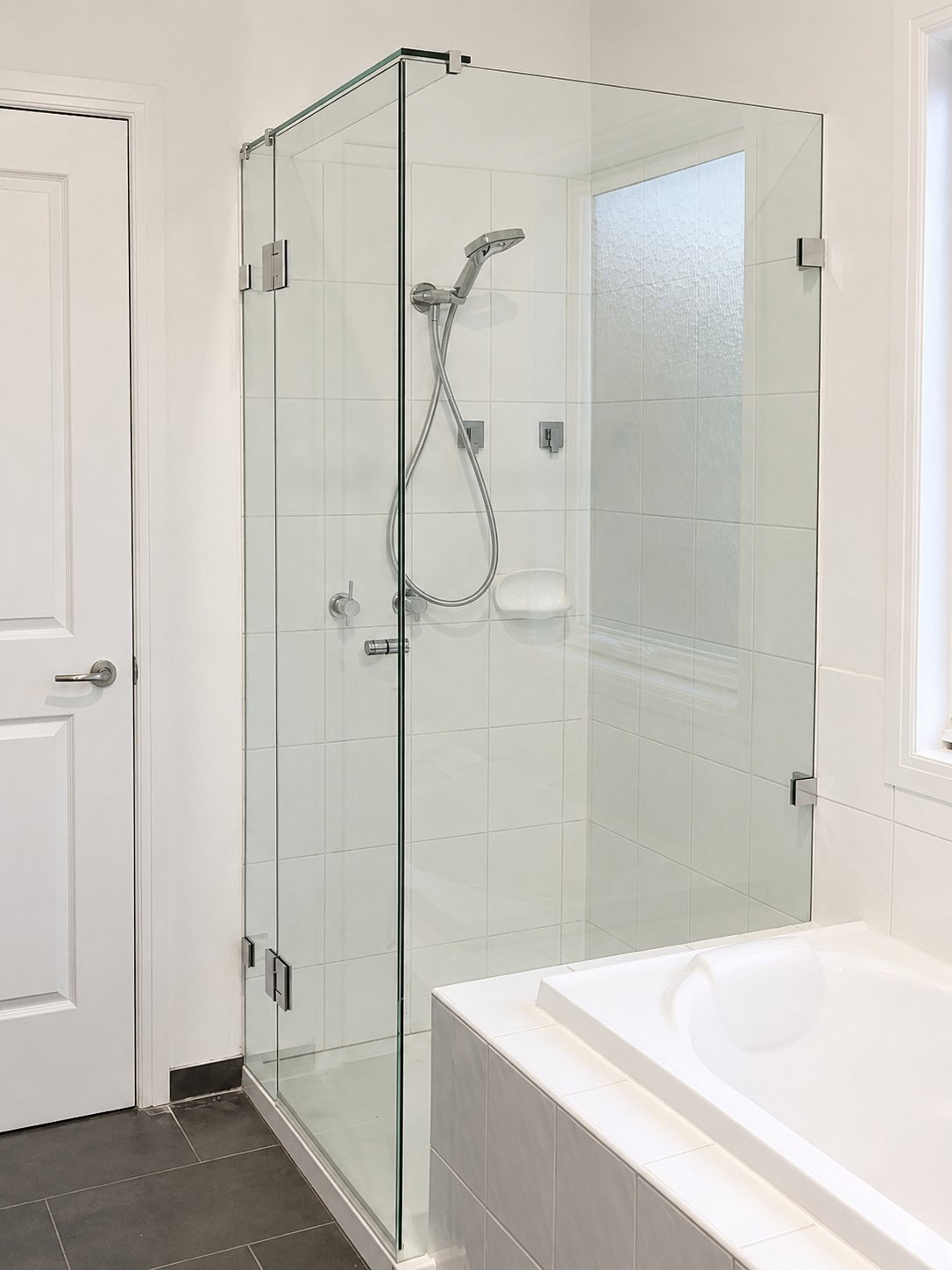
The existing screen in this Templestowe bathroom was replaced with a chrome frameless layout to match the existing tapware and accessories. It was a straightforward upgrade that did not require any changes to the rest of the room.
The glass was custom cut to extend the new screen up to the top of the tile line. This gave the replacement a more consistent look and helped the screen feel better matched to the bathroom.
Replacing the screen alone was enough to make the shower feel noticeably more open and less dated.
Replacing an old pivot door with a frameless sliding shower screen
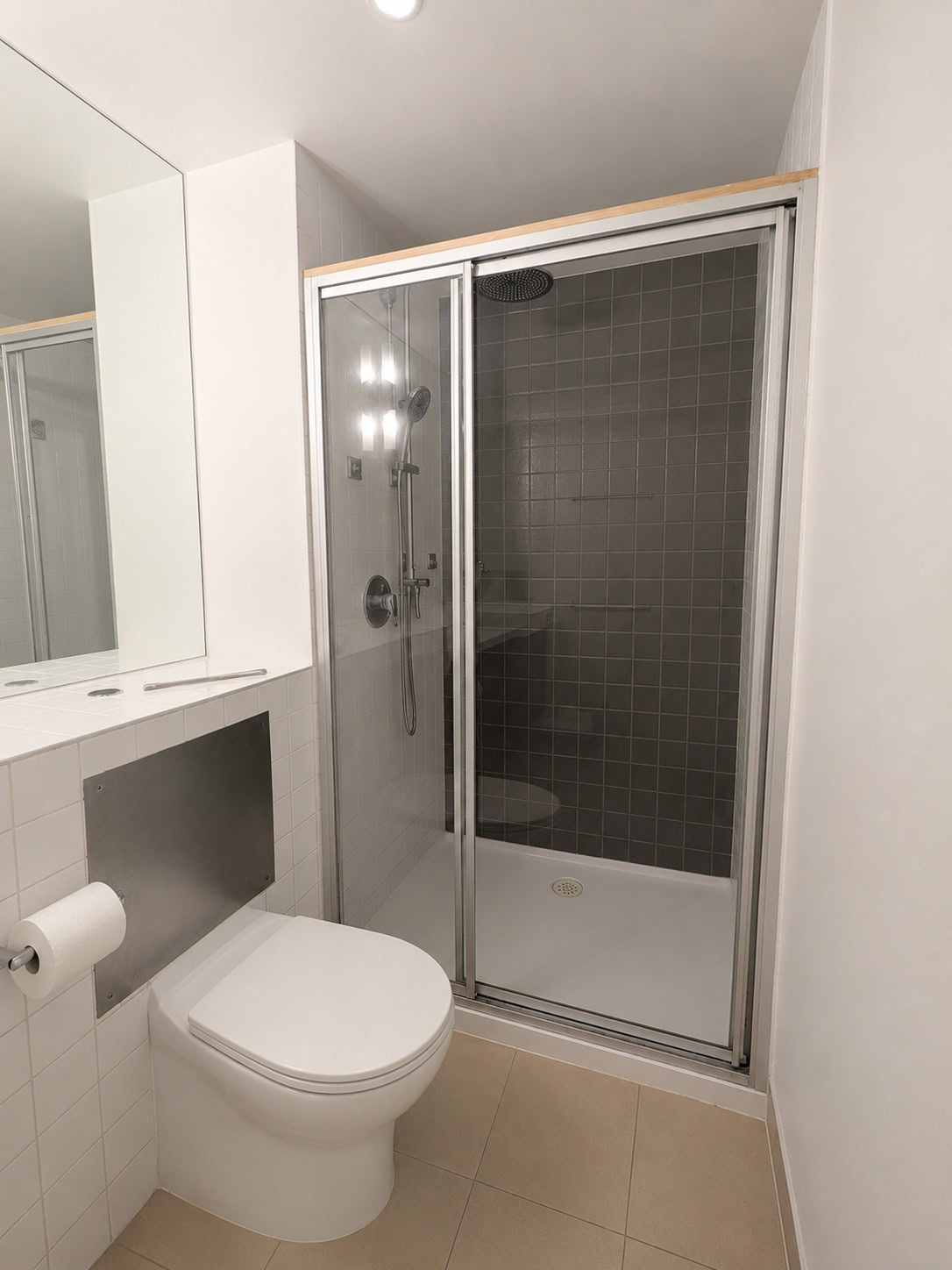
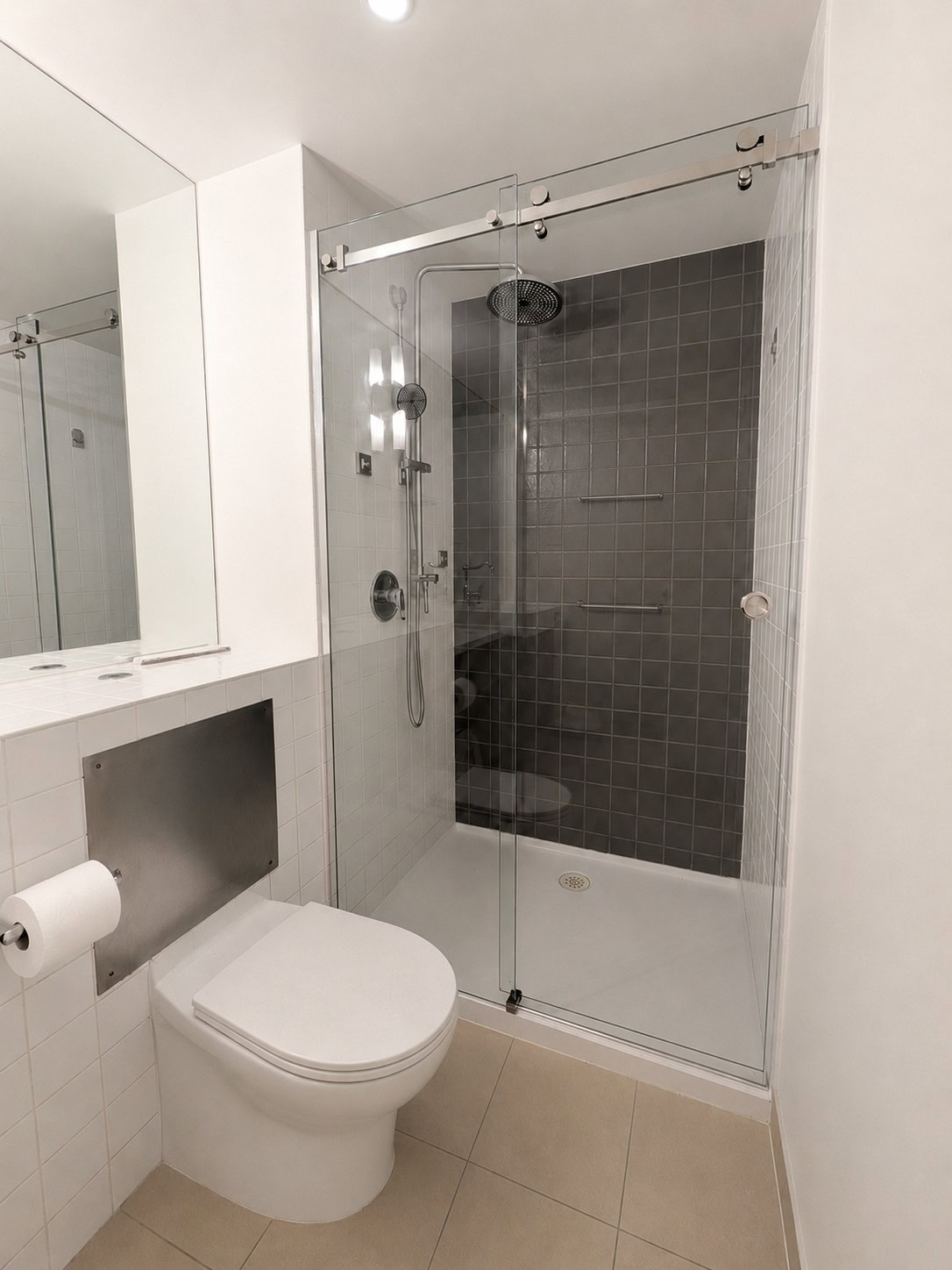
In this Footscray apartment bathroom, the existing pivot door shower screen was awkward to use because the door opened out toward the toilet on the left hand side. The overall distance wall to wall was around 1140mm wide, and the open door clearance was just over 500mm, which was enough for shower entry, but the swinging door made the space feel tight.
The old screen was replaced with a custom frameless sliding shower screen finished with chrome hardware. The new layout provides a similar practical entry into the shower, but without a door swinging out and hitting the toilet. Visually, the new frameless shower screen absolutely transforms the space, making the bathroom feel cleaner, lighter and far more open.
Shower screen replacements that make the bathroom work better
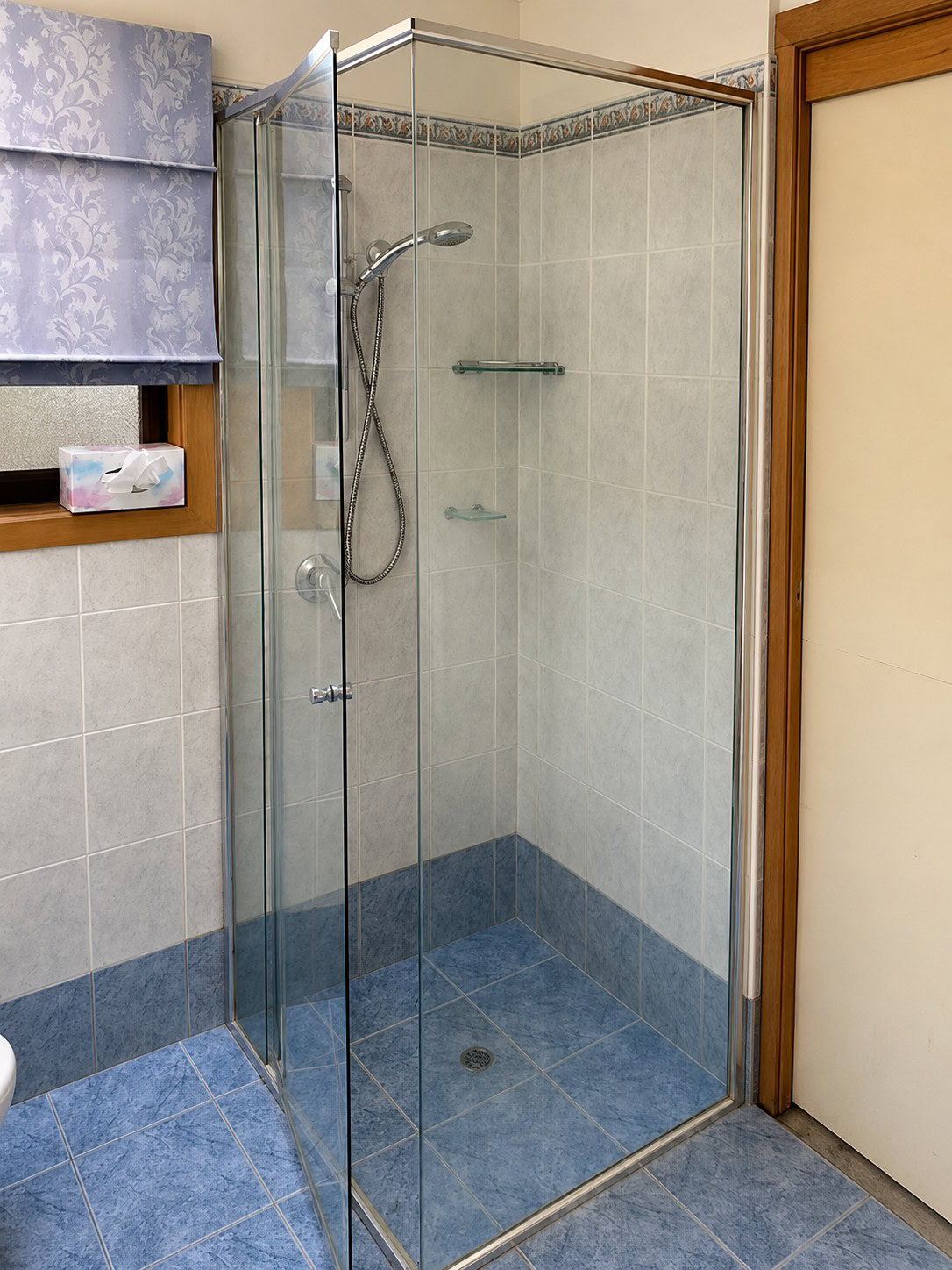
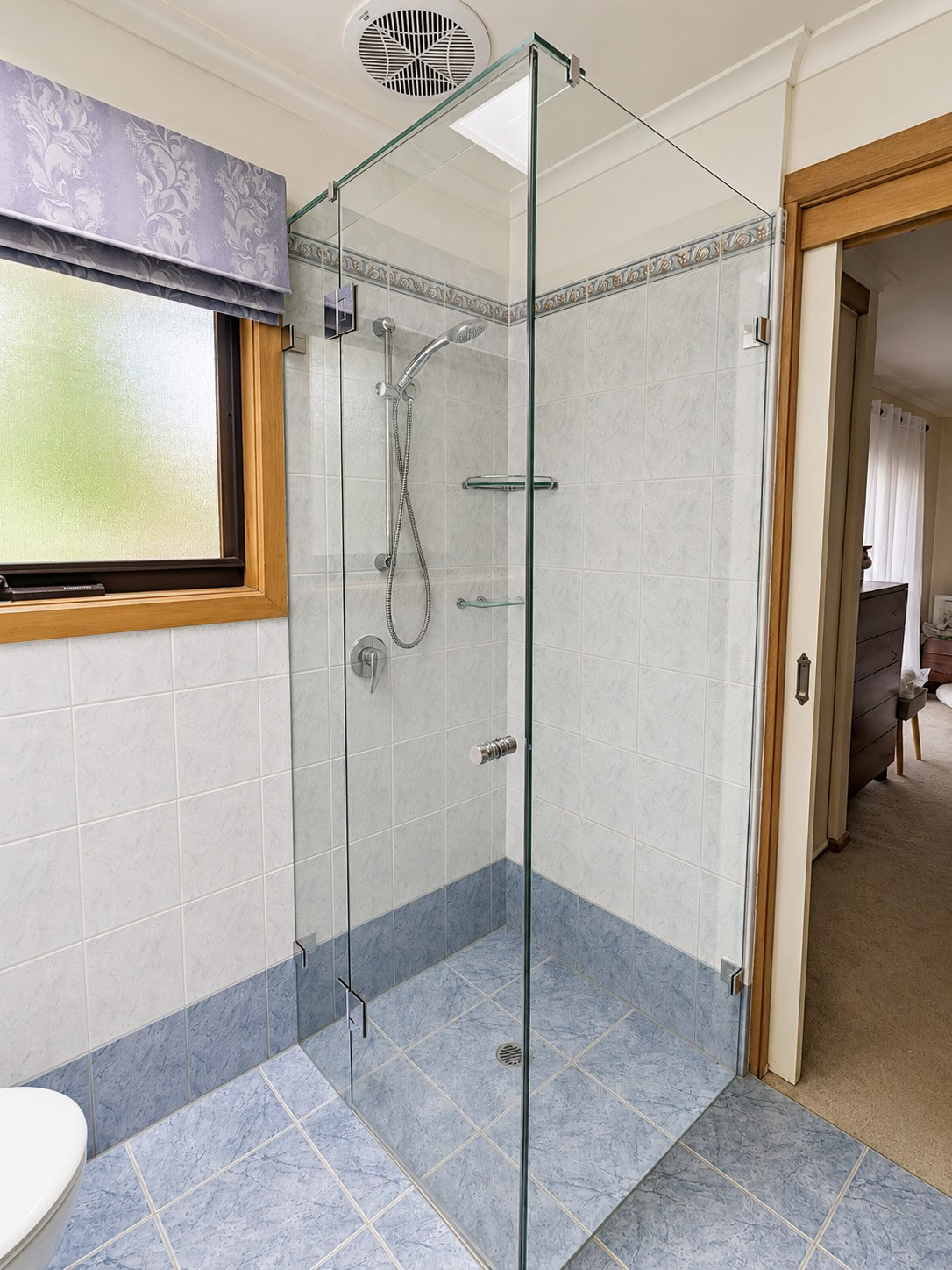
These two Eltham shower screen replacement projects show how a new frameless screen can refresh an existing bathroom without needing to rebuild the whole shower area.
In the ensuite, the owners had removed the old shower screen so the shower area could be regrouted and resealed. Once the tiled area was ready, we measured and installed a new chrome frameless shower screen to suit the existing tiled shower base.
In the main bathroom, the existing glass did not include a door, which was not suitable for the shower configuration and was allowing too much water to escape. We removed the old glass and installed a new frameless shower screen with a door for better everyday use.
Refreshing an existing shower after regrouting
Adding a door to improve water control
Essendon diamond shape shower screen replacement
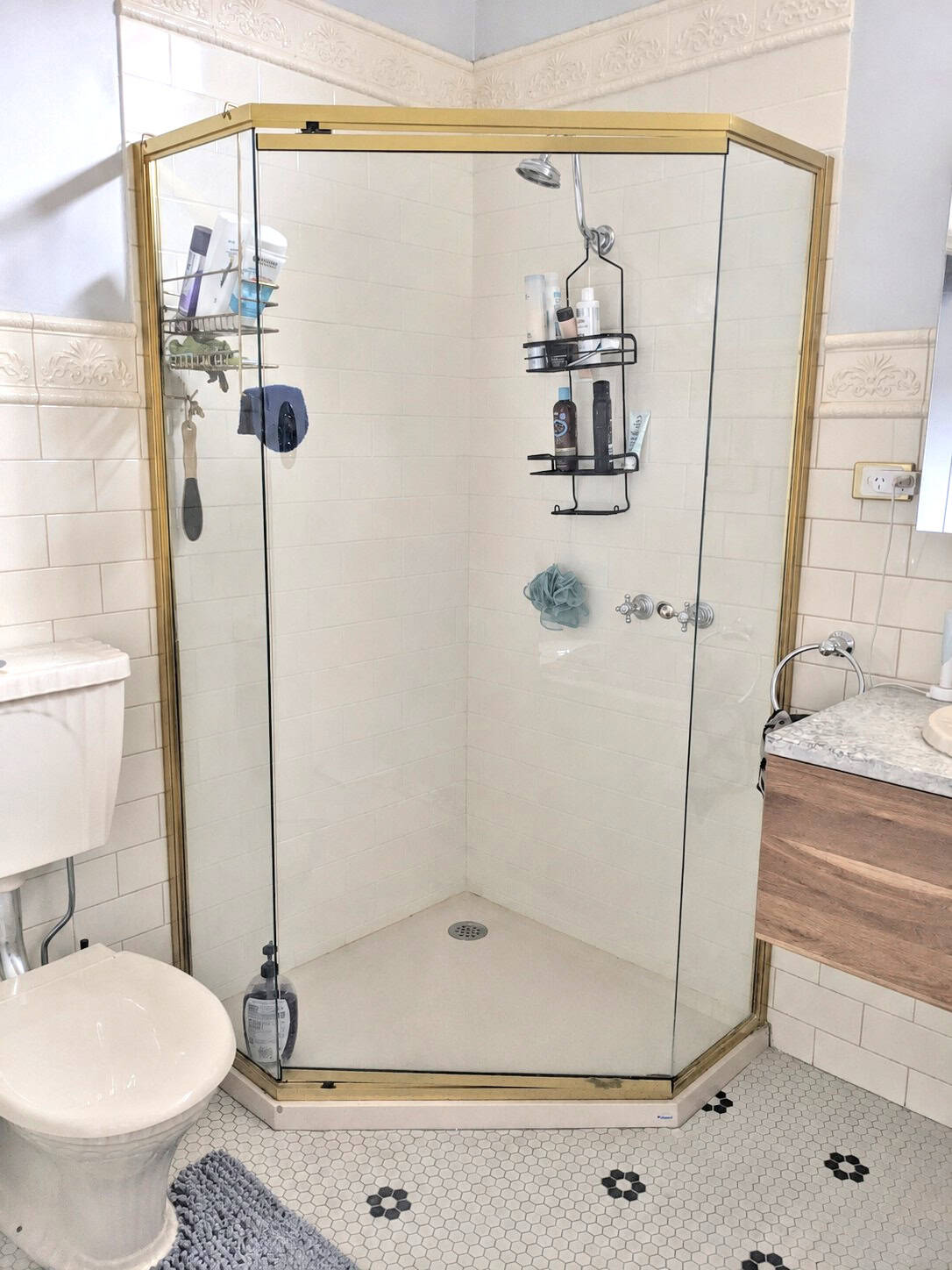
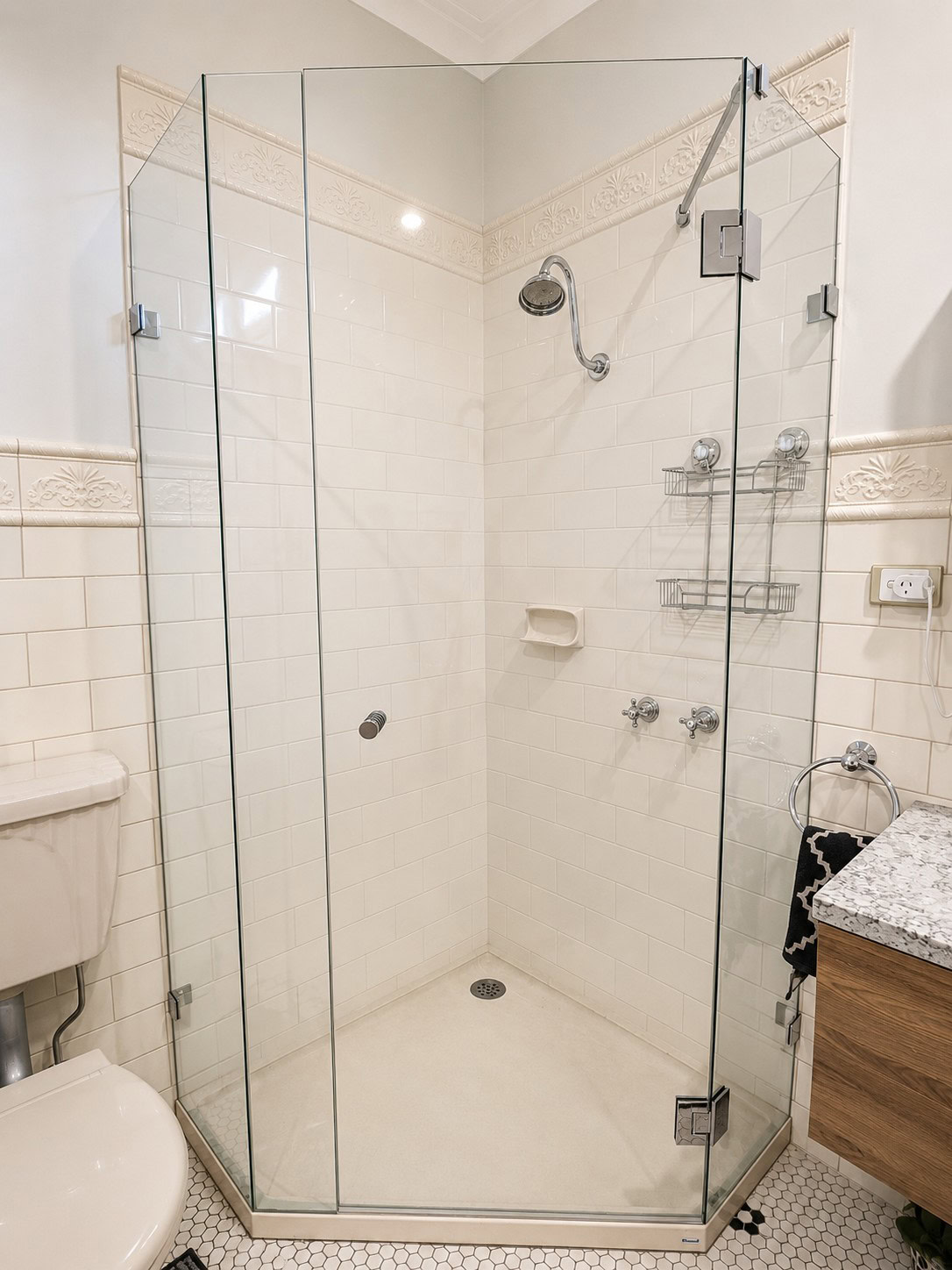
This shower screen replacement formed part of a bathroom refresh in Essendon. The old diamond shape shower screen had heavy framing and an outdated height that made the shower area feel smaller and more enclosed.
The replacement screen was custom measured and made taller than the original. Increasing the height gave the new frameless enclosure better proportions and helped the glass feel more connected to the rest of the bathroom.
Removing most of the visible framing changed the appearance of the room without requiring a complete renovation. The new frameless shower screen feels lighter, cleaner and more open, while still following the existing diamond shape shower layout.
Old shower screen frames can trap a lot behind them
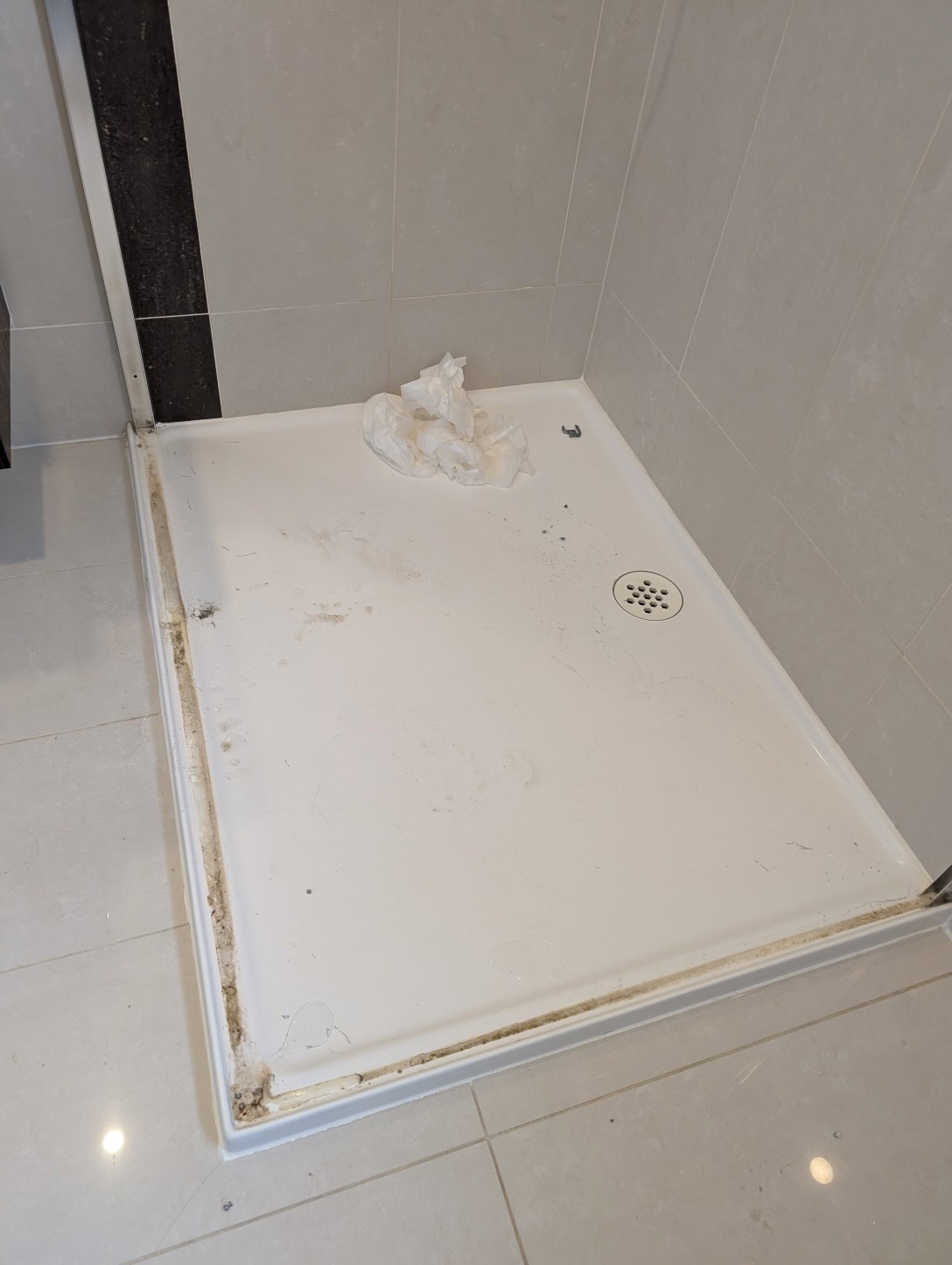
When an old framed shower screen comes off, what is underneath is not always pretty. Grime that has built up over time, trapped moisture and degraded silicone are common, especially around the base where the aluminium frame creates a ledge for water and soap residue to collect.
Sometimes it is only surface build up that cleans off easily. Other times the frame has been hiding failed silicone, loose tiles or water damage that needs to be addressed before new glass goes in. We flag anything that needs attention at the time of removal so it can be sorted before installation day.
Shower
Screen
Replacement
FAQs
Common questions customers ask before replacing an old framed, leaking, shattered or outdated shower screen.
Do you repair shower screens in Melbourne or replace them?
We mainly specialise in shower screen replacement rather than repairing old framed or worn screens. In some cases a small hardware issue may be repairable, but where the frame, seals, glass or multiple components are failing, replacing the screen is often the more practical option.
Can I replace just the shower screen without retiling?
If the existing tiles, waterproofing and shower base are still in good condition, the old screen can usually be removed and replaced without retiling the whole bathroom.
During removal and measure, we check the tiles, old silicone lines, fixing points and shower area. Any obvious issues can then be raised before the new glass is installed.
How do I know if my bathroom is suitable for a frameless replacement?
A frameless replacement depends on the opening size, wall condition, tile surface, floor fall and bathroom layout. Photos can help with an initial idea, but a site check gives the clearest answer.
If the bathroom is suitable, we can measure for a custom frameless screen. If something needs to be repaired first, we flag it before the new glass is ordered.
What happens if damage is found under the old frame?
Old framed screens can hide failed silicone, trapped moisture, loose tiles or water damage. Any problem found during removal needs to be dealt with before the new shower screen is installed.
We handle the shower screen removal, measure and installation. If tiling, waterproofing, plumbing or floor repair is required, that work usually needs to be arranged with the right trade before the new glass goes in.
Do I need to retile or waterproof before getting a frameless replacement?
Many bathrooms do not need retiling or waterproofing before a screen replacement. If the tiles, shower base and waterproofing are still sound, replacing the screen can be a practical upgrade without renovating the whole bathroom.
If there are signs of water damage, loose tiles, failed waterproofing, rotten flooring or movement around the shower area, those issues should be repaired before the new glass is installed. A shower screen replacement can improve the look and function of the shower, but it should not be used to cover a bathroom problem that needs repair.
Can an existing walk in shower panel be enclosed instead of replaced?
Toughened shower glass cannot be drilled after it has been made. If a sliding rail, hinge or extra fitting needs new holes, the old panel usually cannot be reused.
Reusing an existing walk in panel is only possible in limited situations, usually when the glass is the right size, in the right position and already has suitable fixing points. In many bathrooms, removing the old panel and making a new screen to suit the opening gives a cleaner and more practical result.
My shower screen shattered by itself. What happened?
Toughened shower glass can sometimes break unexpectedly. It may be caused by impact, damaged glass edges, pressure on the panel, movement in the fixing points or a rare manufacturing flaw called nickel sulphide inclusion. Once the panel has already shattered, it is not always possible to confirm the exact cause.
The replacement process usually starts with removing the remaining broken glass safely, checking the fixing area and then measuring for a new panel or screen. If the rest of the bathroom is still in good condition, the replacement may only need to involve the damaged glass and hardware.
Do the existing fixing holes in the tiles cause a problem?
Existing fixing holes are common when replacing old framed or semi framed screens. In some cases they can be hidden by the new layout or sealed neatly. In other cases, they may remain visible depending on where the old frame was fixed.
The fixing points are checked during the site measure or removal so you know what is likely to be covered, sealed or still visible after the new screen is installed.
Will there be visible silicone lines where the old frame sat?
Old frames can leave silicone marks, staining or slight colour differences on the tile surface.
Some marks can be cleaned back well, while others may still be faintly visible after removal. This depends on the tile surface, the age of the silicone and how the original frame was installed.
Does the shower base need to be replaced at the same time?
If the shower base or tiled floor is sound, drains properly and is not leaking, it does not need to be replaced.
Cracked tiles, movement, soft flooring, poor fall or signs of water damage may need attention before installation. Our work is limited to the shower screen replacement and minor touch ups around the screen area.
What if my existing tiles are old or crack easily?
Older ceramic tiles can be more fragile, especially around fixing points or where silicone and framing have been in place for a long time.
Full care is taken during removal, but the existing tile condition and the way the original screen was installed can affect the risk. If the tiles look brittle, loose or likely to need repair, we discuss that before proceeding.
How long does a shower screen replacement take from measure to install?
After final measurements are completed, manufacturing and installation is typically finished within 6 to 10 working days. Timing can vary depending on glass type, hardware finish and site conditions.
How is the old shower screen removed?
The process depends on the screen type. Old framed screens are usually unscrewed, separated from the wall and base, then carefully removed from the bathroom.
Once the screen is out, the area is cleaned and prepared for the new installation. This is also when old fixing holes, silicone marks, trapped grime or hidden water issues may become visible.
What happens to my old shower screen?
The old shower screen is taken away after removal. The glass and aluminium framing are separated so they can be recycled rather than treated as general waste.
If you prefer to remove the old screen yourself beforehand, that is fine. Simply separate the glass from the aluminium framing and leave it ready. We can take it away and dispose of it responsibly at no extra charge.
Do I need a plumber or tiler involved?
Not for a straightforward shower screen replacement. If the shower area is sound, we can remove the old screen, measure and install the new one without involving other trades.
A plumber, tiler or waterproofer may be needed if there are leaking issues, cracked tiles, failed waterproofing, loose flooring or repairs required before installation.
How long will the shower be out of use?
Whenever possible, we remove the existing shower screen first and measure for the new one with the area open. This helps avoid surprises and gives the clearest measurement.
If it is your only shower and you cannot be without it during manufacturing, we can usually measure with the existing screen still in place. In that case, the main downtime is usually around 24 hours after the new screen is installed, while the silicone cures.
What type of shower screen works best as a replacement?
The best replacement depends on the opening and bathroom layout. A hinged door shower screen works in many bathrooms. For smaller bathrooms, a sliding door may be more suitable.
The goal is to choose a screen that works with the existing space, rather than forcing in a layout that looks good but is not practical for everyday use.
Can I change the height of the new screen compared to the old one?
Yes. Since the glass is custom made, the new screen does not have to match the old height. It can often be made taller to better suit the tile height, window height, shower head position or overall bathroom layout.
In most cases, the new screen ends up taller than the original. Older pre made screens were often capped at 1800 mm or 1850 mm, while a custom frameless screen can be made to suit the actual finished bathroom rather than a standard box size.
Can I add a Nano coating to the new glass?
Yes. A Nano coating can be applied to the new glass after installation to help water, soap residue and mineral deposits sit on the surface rather than bonding to it, making the glass quicker to wipe down after use.
It is best applied to new glass before the shower has been used, which makes a replacement project a good opportunity to add it if you have been considering it.
What if the walls are not square or level?
This is common in replacement work, especially in older bathrooms. The glass is measured to suit the finished opening, including any out of square walls or slight variation in the tiles.
If the walls are too far out, we explain what can and cannot be achieved before the glass is ordered.
Not sure if your old shower screen can be replaced?
Send through photos of the current screen, the shower base, wall tiles and any areas you are concerned about. We can usually give you a good idea of what is possible before arranging a site measure.
Request a Quote